


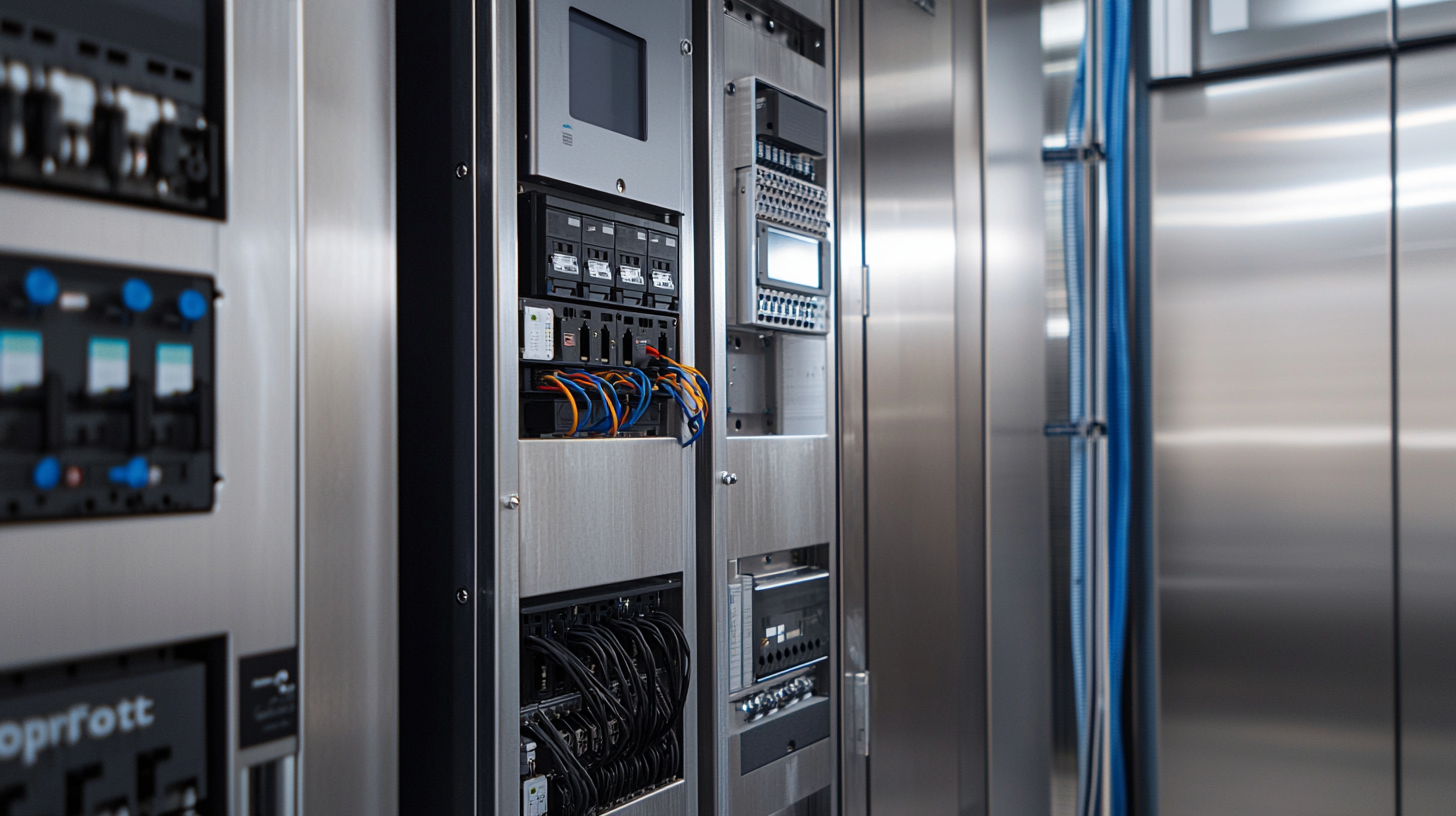
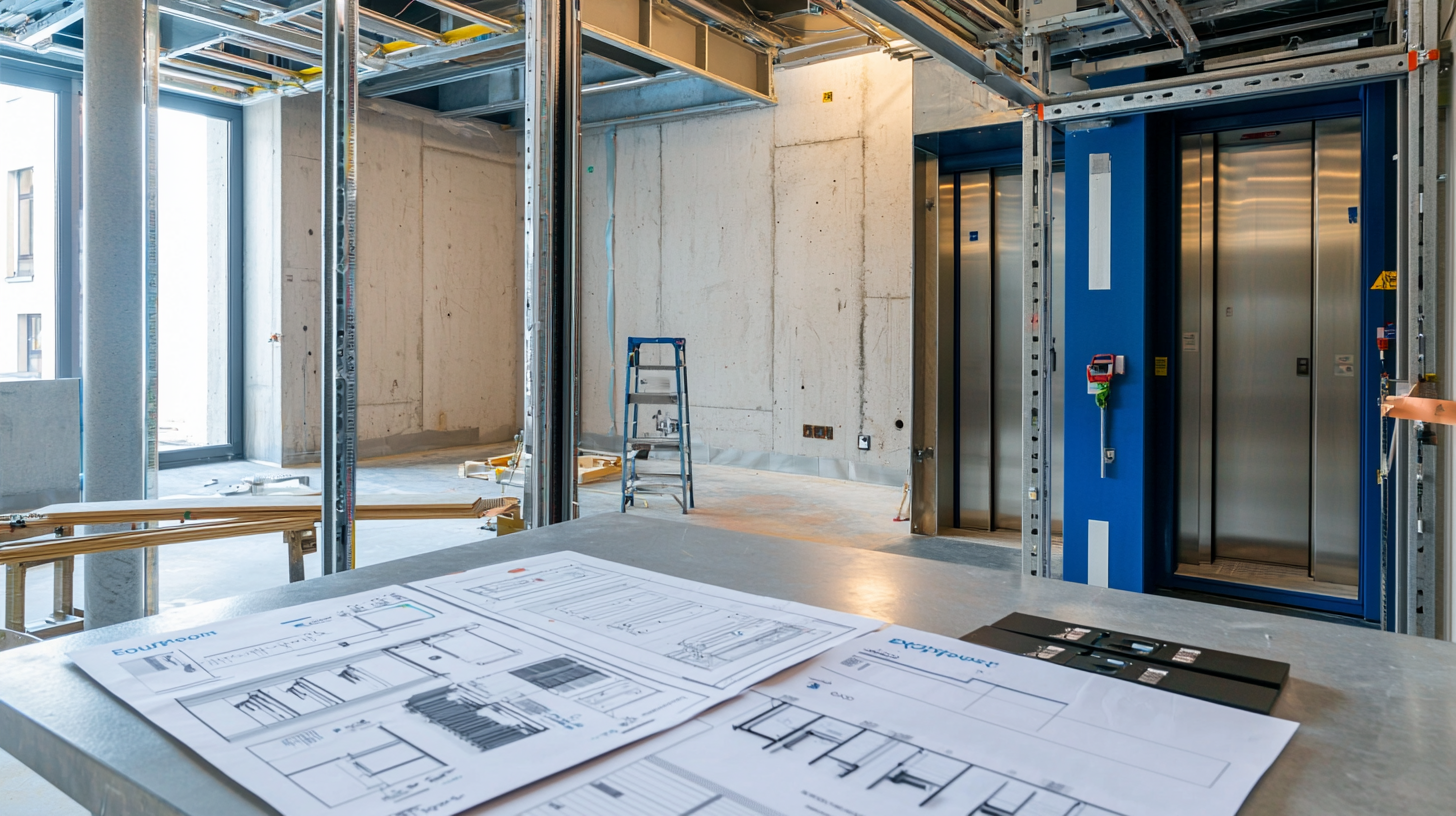
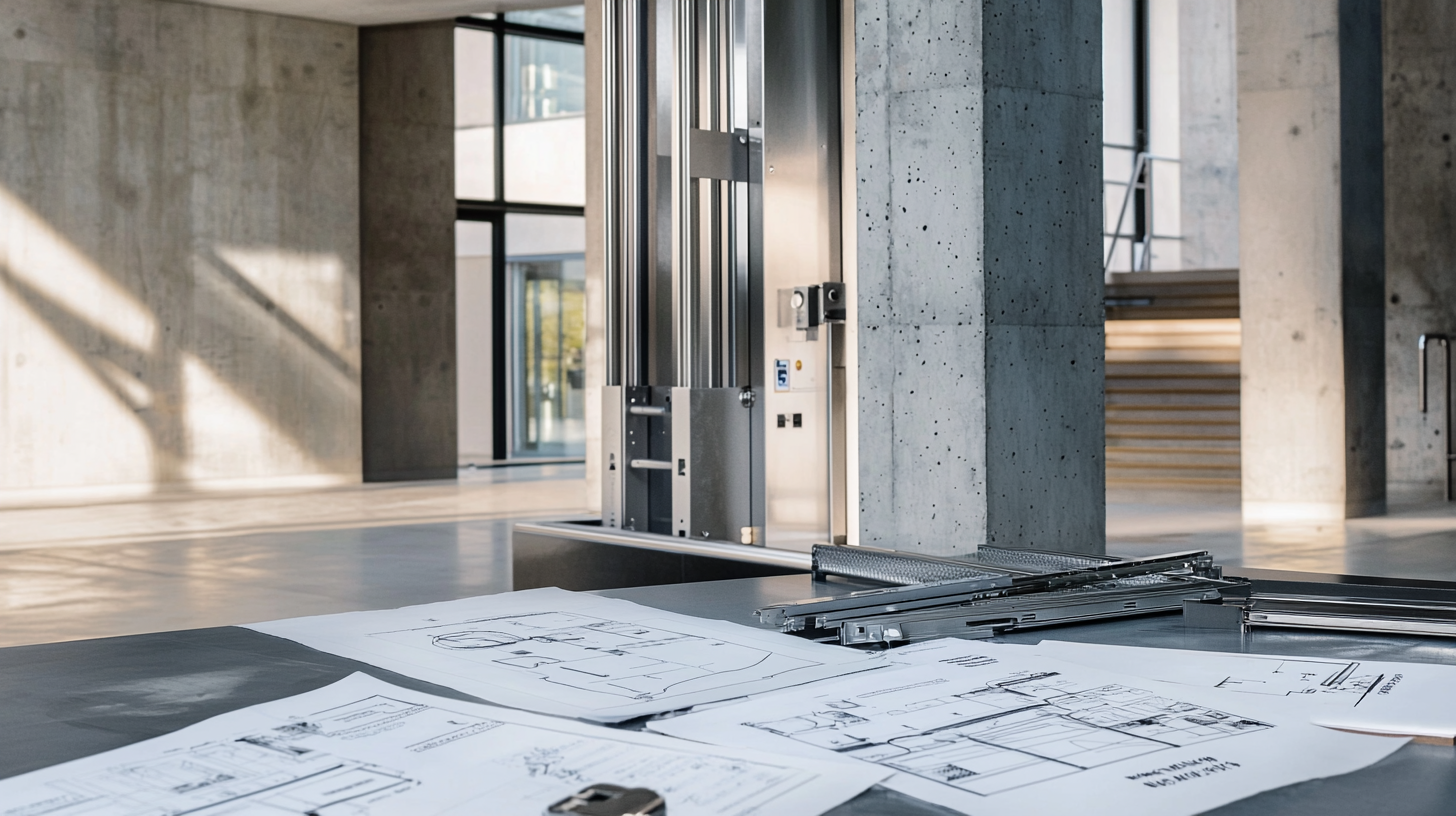

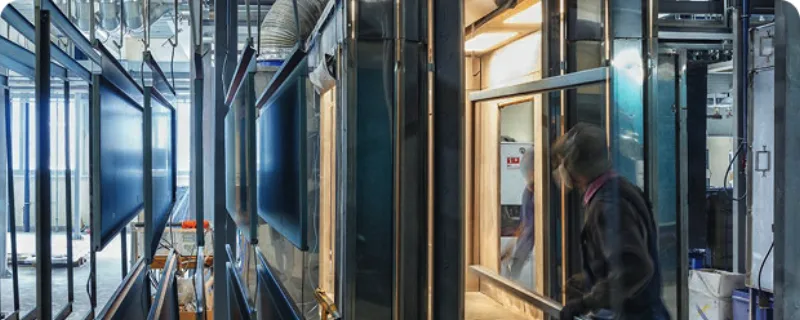
Manufacturer involvement at an early stage helps take technical requirements for the shaft, equipment and future operation into account before construction work begins. This approach helps avoid additional costs, simplify project delivery and ensure that the lift solution matches the specific features of the building.
Frequently asked questions
Answers about selecting, manufacturing, installing, modernising and servicing lift equipment.
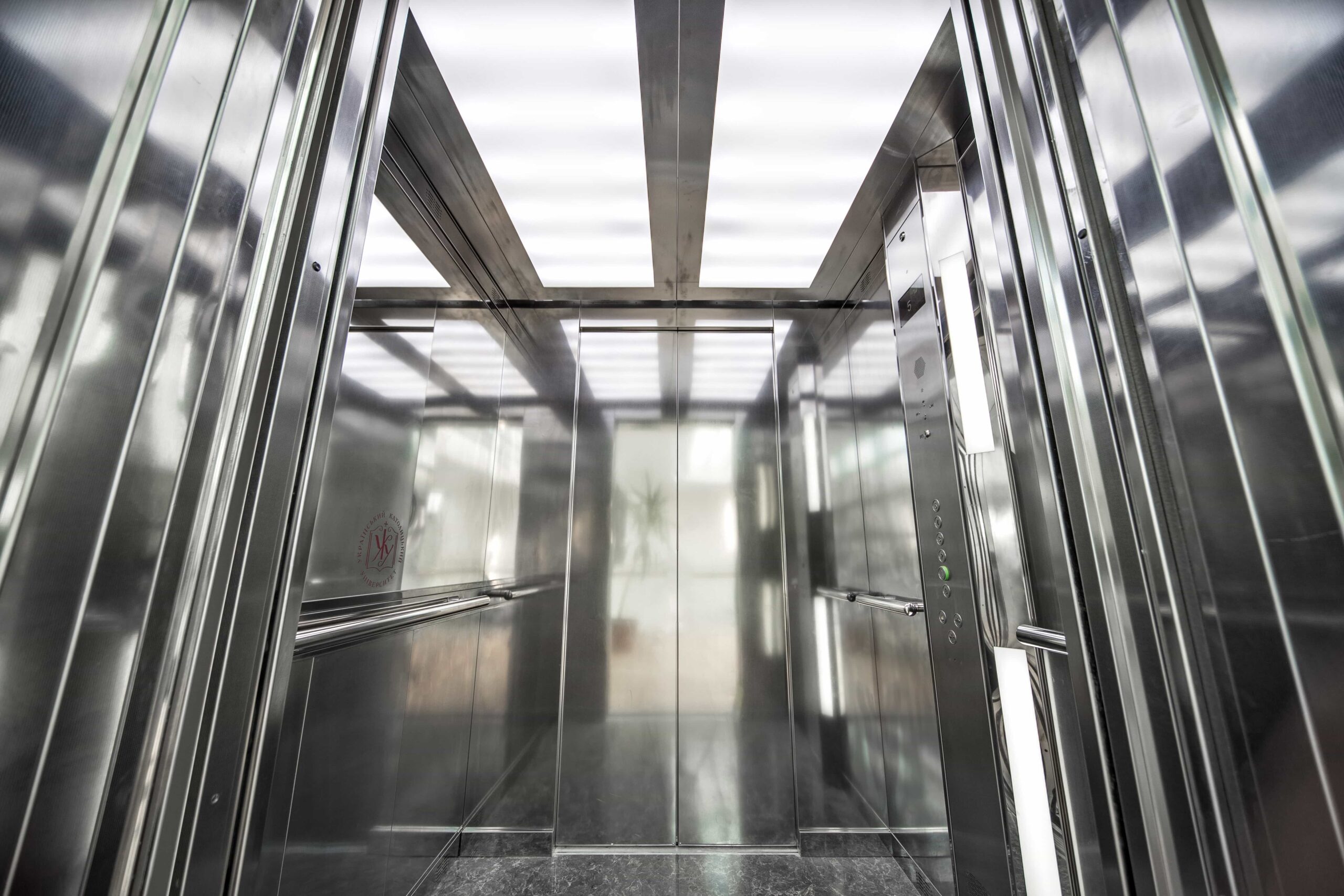
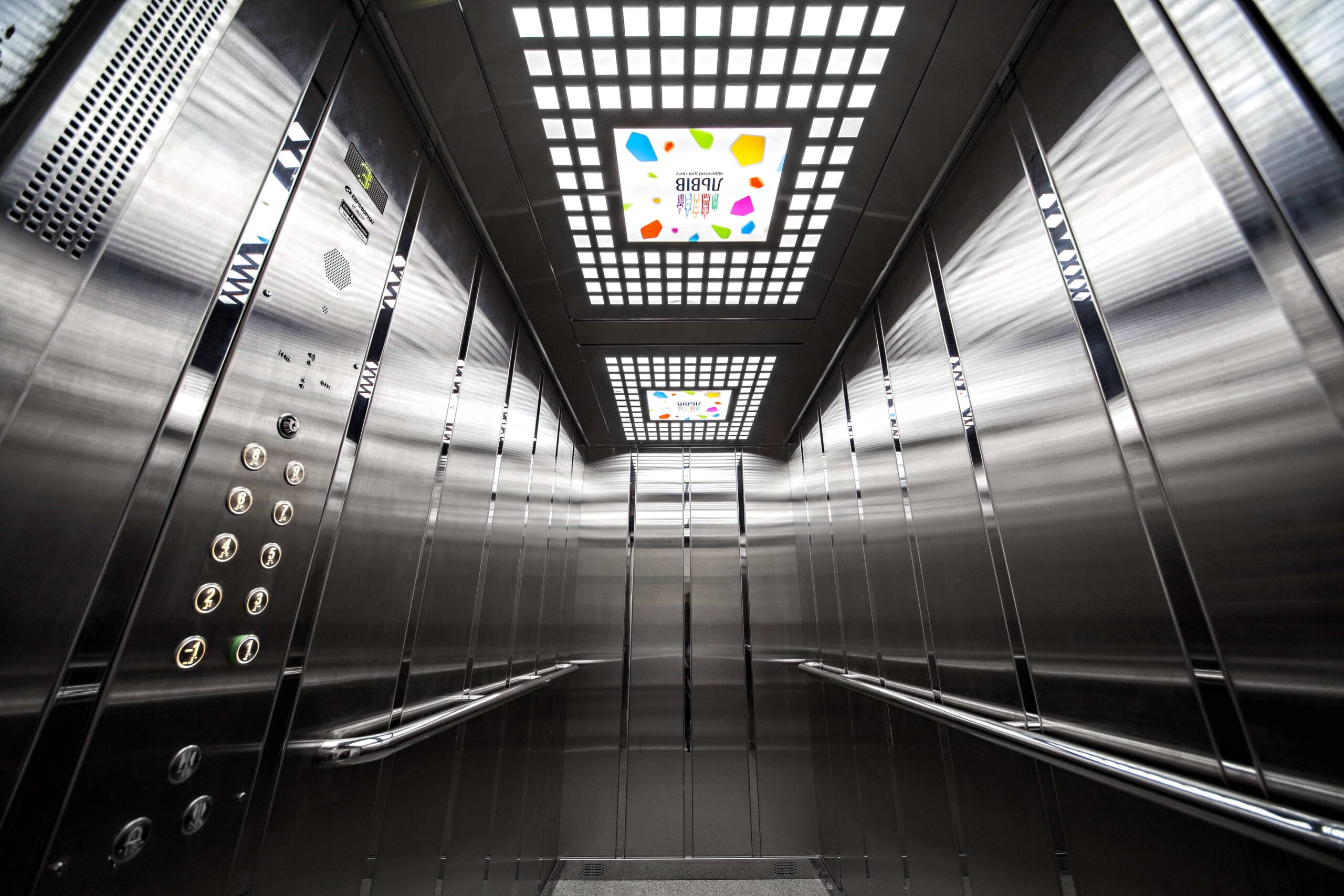
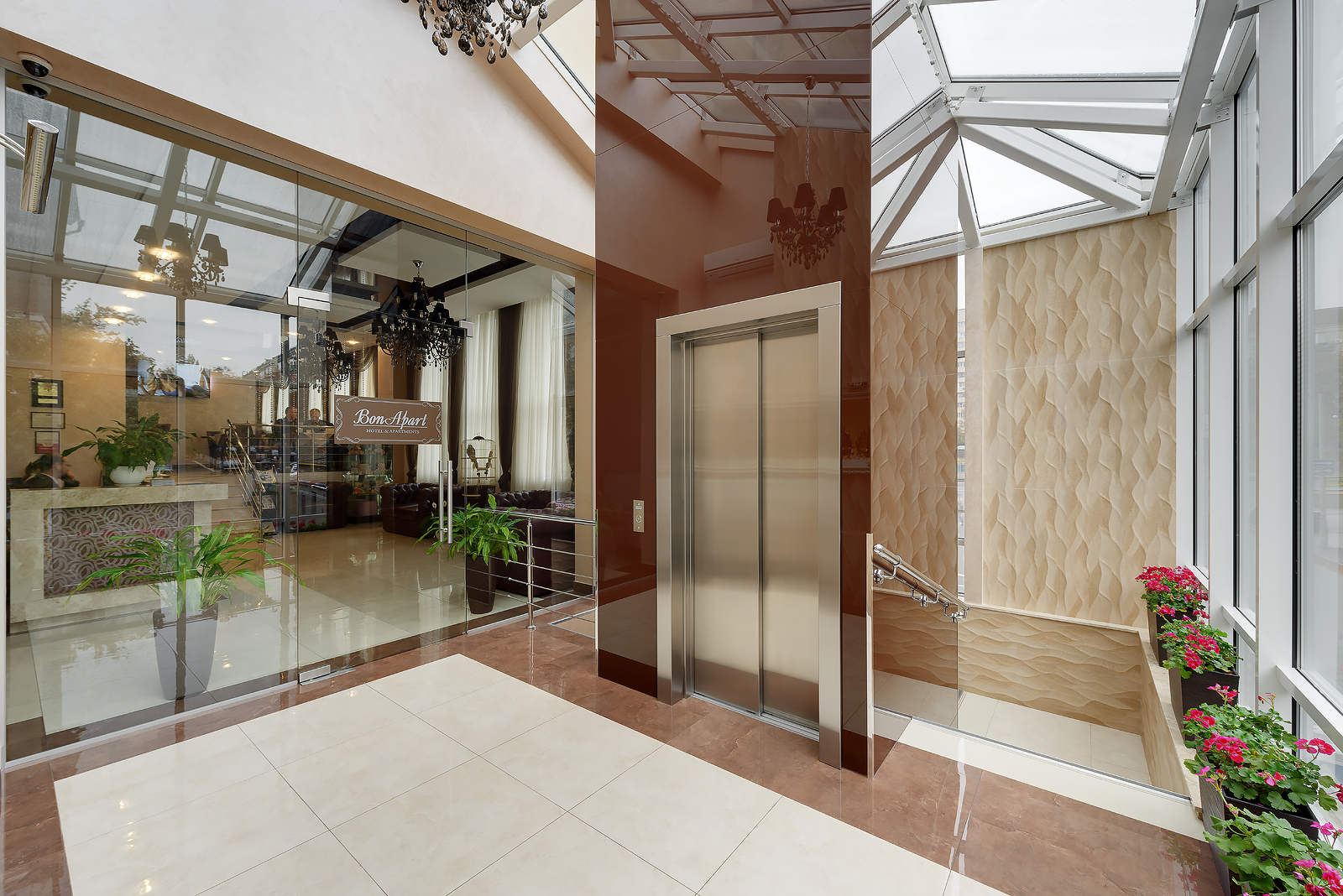
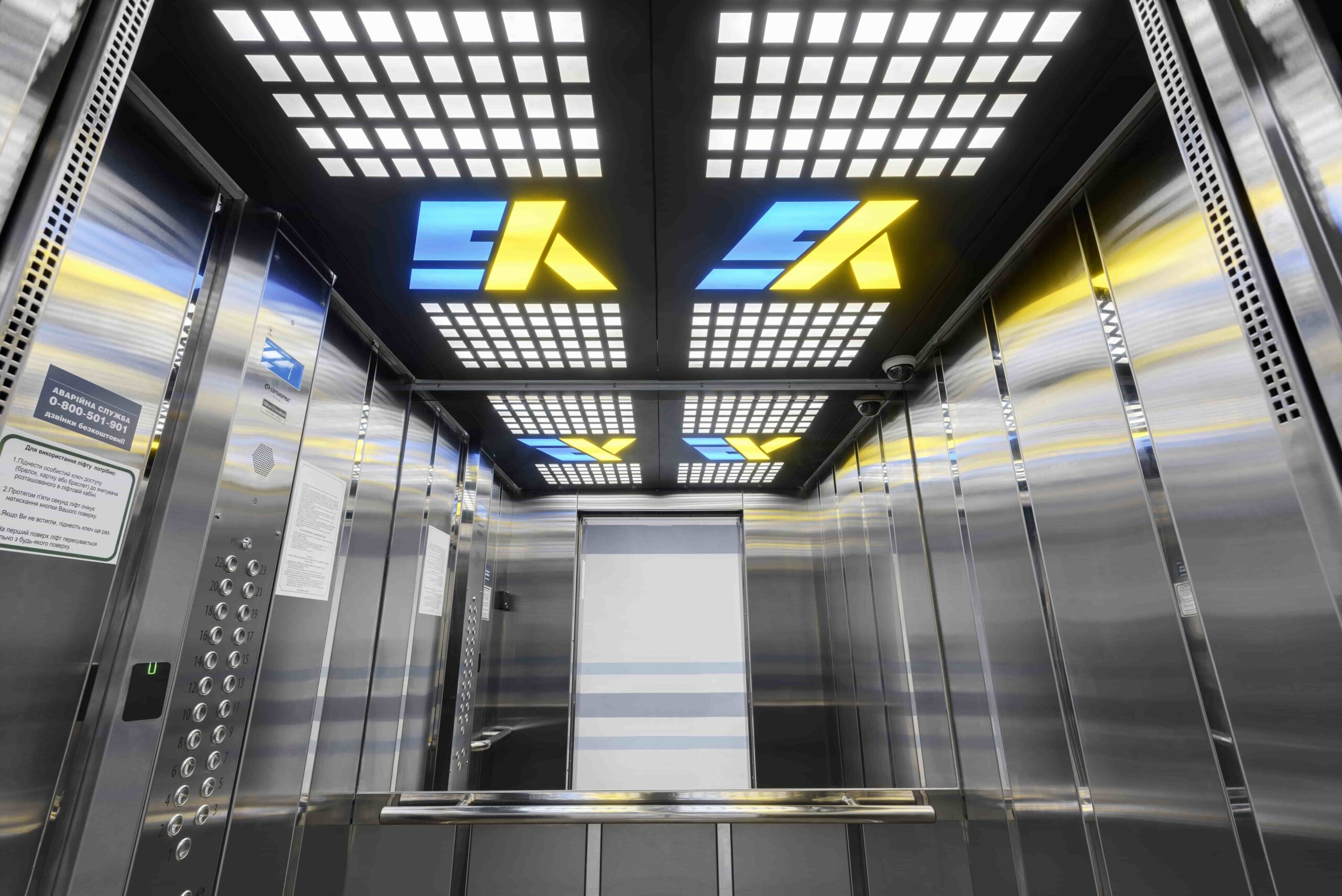
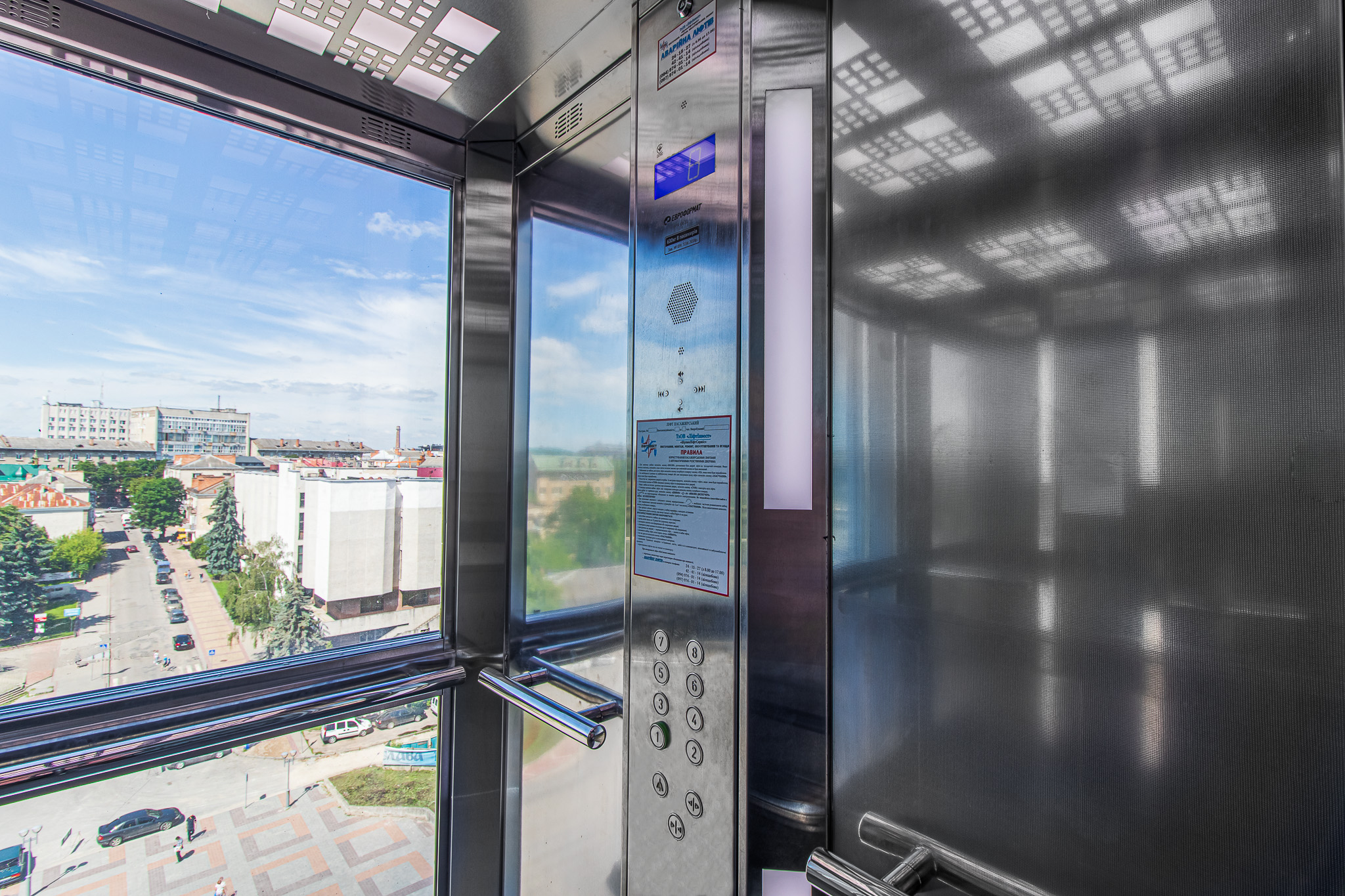
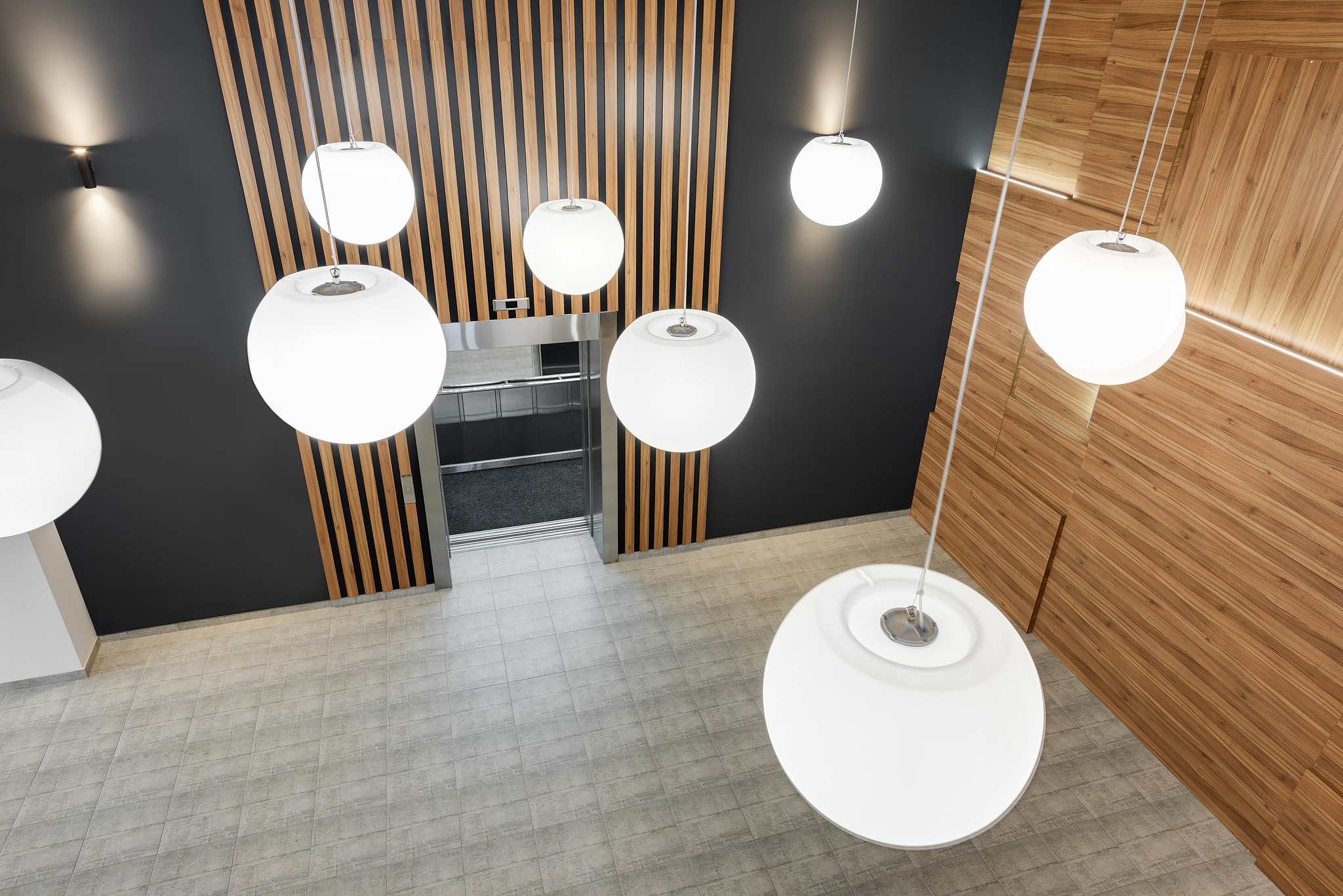
Yes, modern lifts allow various design solutions to be implemented depending on the project concept. The customer can choose finishing materials, lighting type, cabin interior elements and other details. This makes it possible to integrate the lift harmoniously into the overall architectural appearance of the building.
The effective service life of a lift depends on equipment quality, correct installation, intensity of use and regular technical maintenance. Timely system diagnostics, compliance with operating rules and professional service support throughout the entire equipment lifecycle are also important.
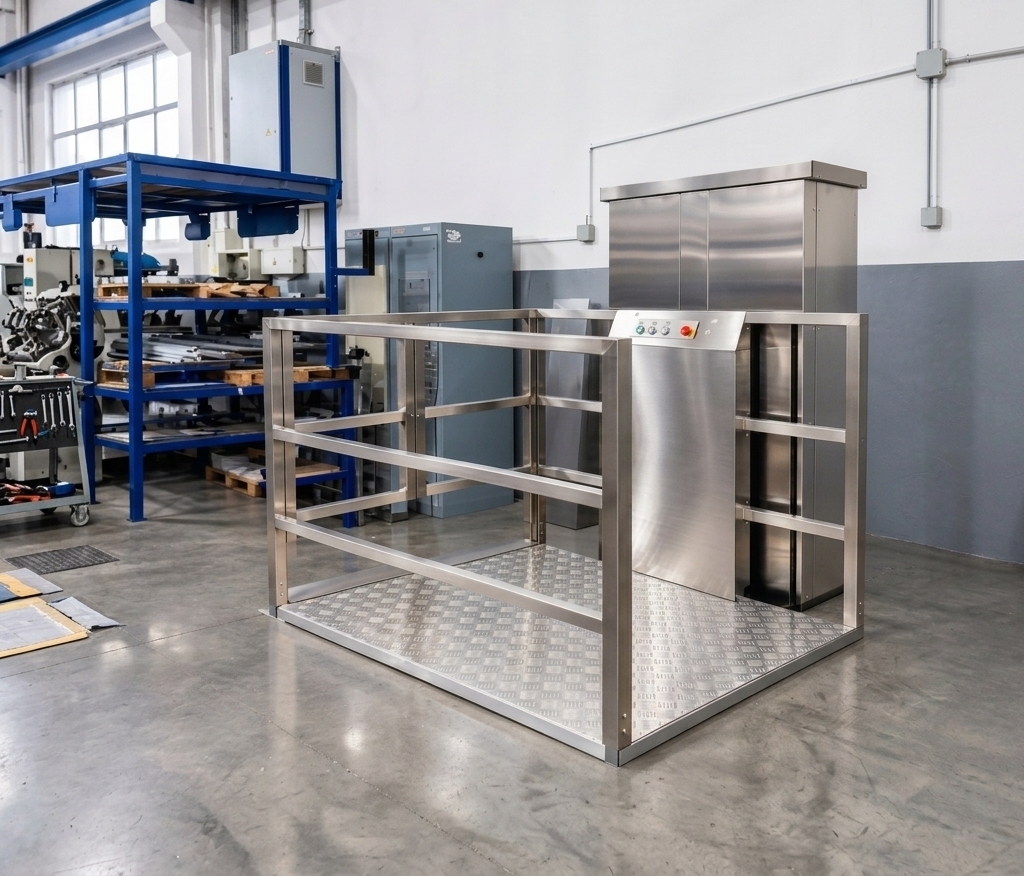
Yes, lift equipment can be selected both for new builds and for the reconstruction of existing buildings. In such projects, shaft dimensions, the building’s technical limitations, safety requirements and future operating conditions are taken into account. The final solution is determined after a technical analysis of the building.
A lift is part of a building’s engineering infrastructure, so it is important that manufacturing, installation and service work as a single system. A comprehensive approach helps reduce risks during project delivery, simplifies communication and ensures more predictable equipment operation in the future.
It is best to contact the manufacturer at the design stage. This makes it possible to take equipment requirements into account, optimise shaft parameters and avoid additional changes during construction. Early involvement of specialists also simplifies coordination between all project participants.
An individual approach makes it possible to take into account the building’s architectural features, technical shaft limitations, cabin design requirements and operating conditions. As a result, the lift solution better meets the real needs of the project and helps ensure efficient system operation after the building is commissioned.
Yes, when selecting a lift, it is important to assess not only the building’s current needs but also the future intensity of use. Passenger flow, the building’s operating mode and specific usage conditions directly affect the equipment configuration, its performance and long-term user comfort.
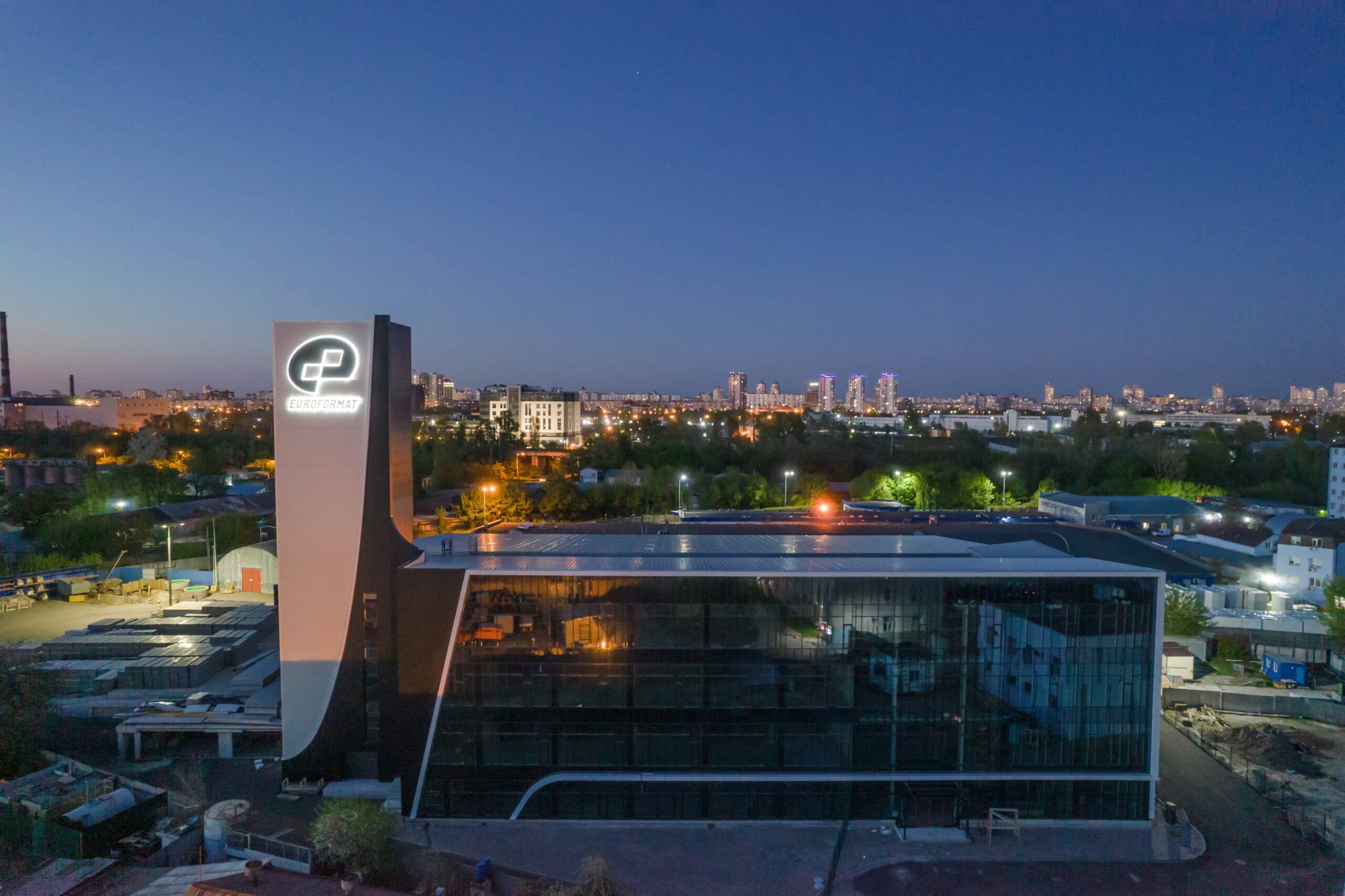
In addition to the equipment itself, it is worth assessing the manufacturer’s experience, in-house production capabilities, technical support and service maintenance. A reliable partner helps not only supply the lift, but also ensure its effective integration into the building and stable operation after the project is commissioned.
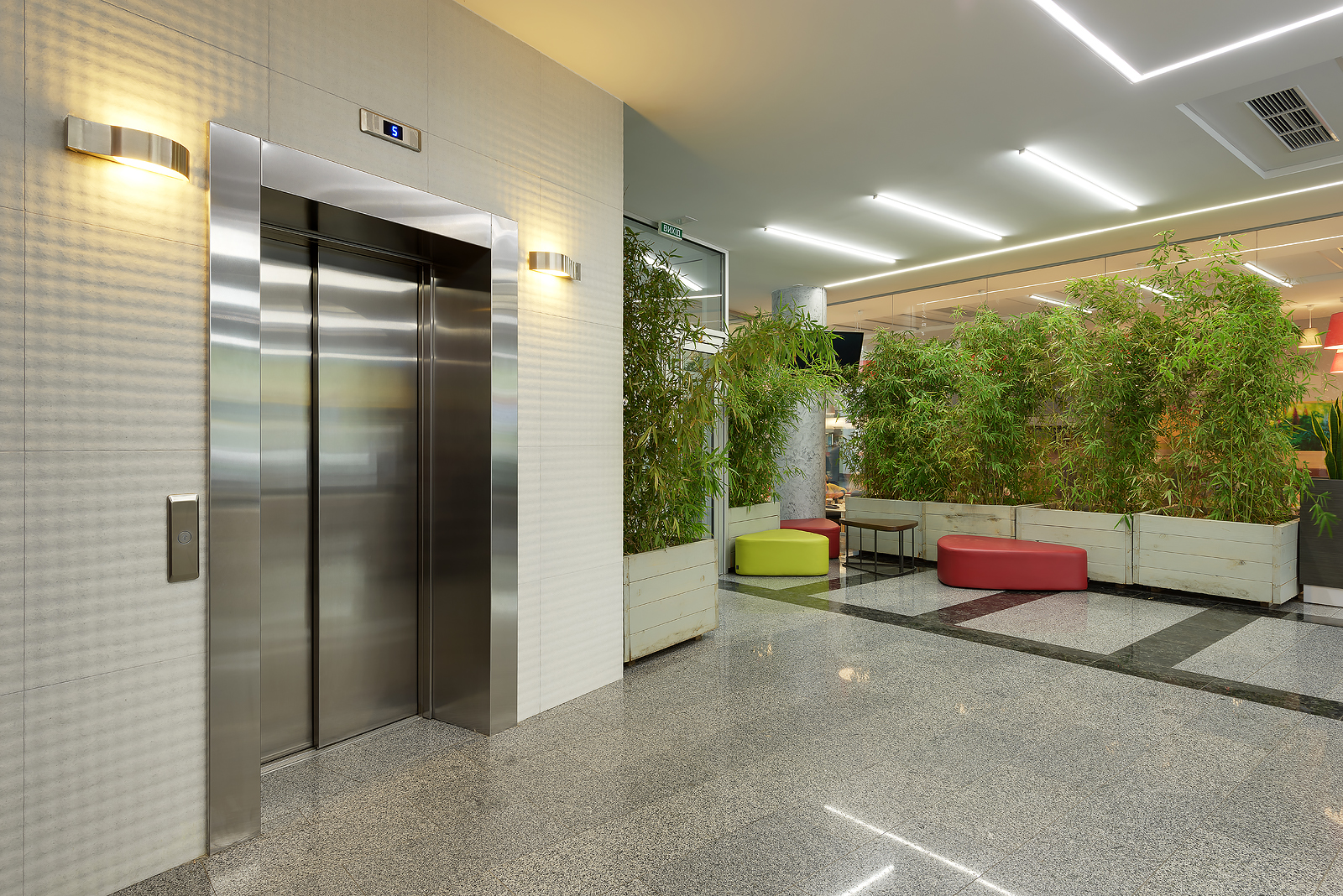
Euroformat solutions can be used in residential complexes, office centres, healthcare facilities, hotels, retail and public buildings. Equipment is selected individually, taking into account the architectural features, expected load and future operating requirements of each specific project.
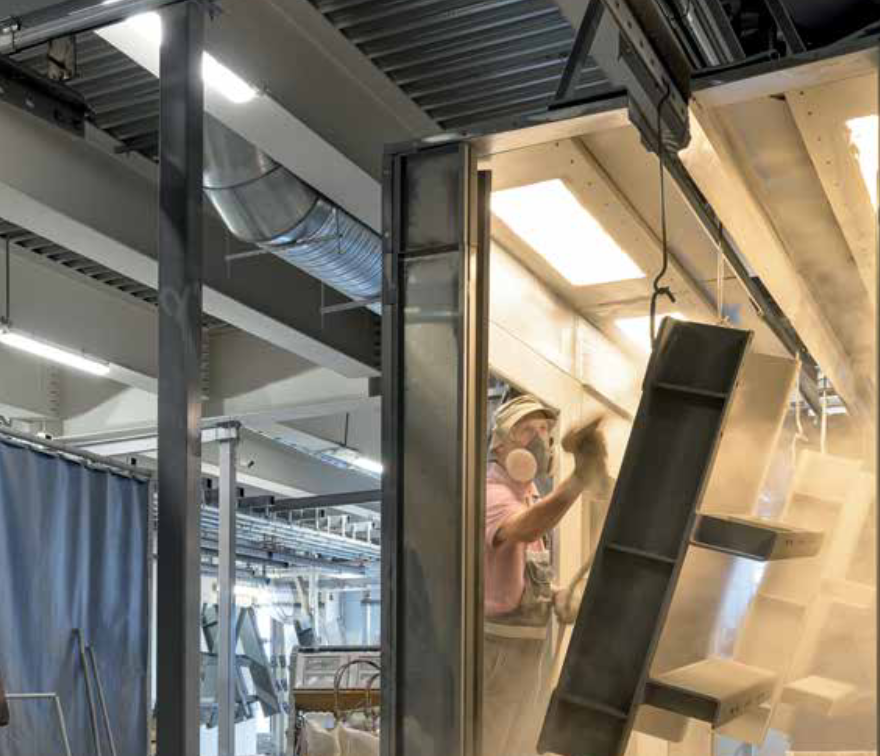
When one company is responsible for manufacturing, technical support, installation and service, the customer receives a more transparent project delivery process. This simplifies communication between all parties, reduces the risk of misunderstandings and helps resolve technical issues more effectively at every stage of the work.
Yes, involving the manufacturer at an early stage helps take lift equipment requirements into account during the development of project documentation. This makes it possible to plan shafts, technical rooms and engineering utilities correctly, as well as avoid changes and additional costs during construction.
Still looking for an answer?
Write to us — an engineer will answer technical questions about your project.