








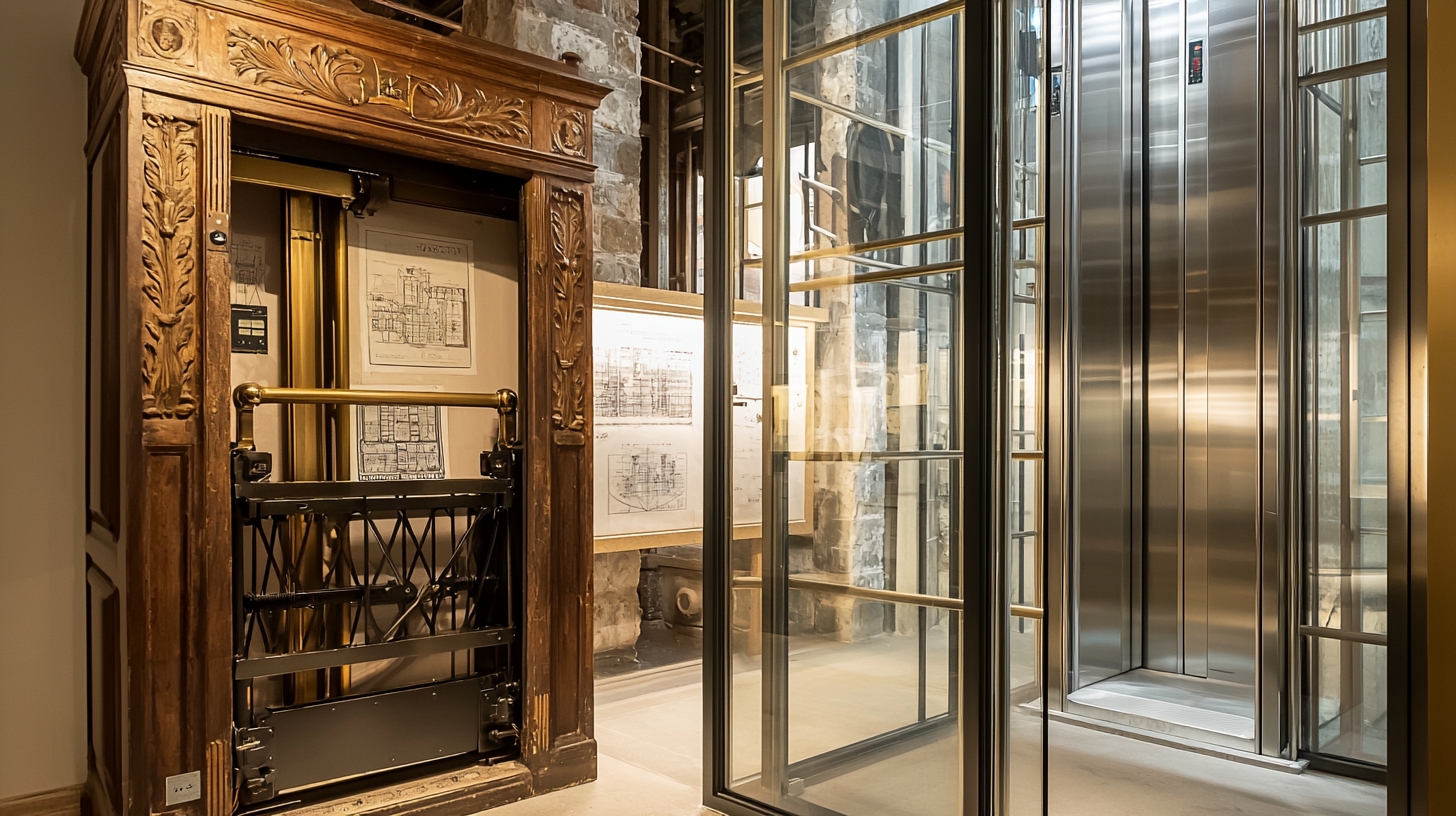
10 interesting facts about the history of lifts
Lifts have become an essential part of modern life, but the history of lifting mechanisms goes back thousands of years. From simple devices using ropes and pulleys to advanced technological systems, lift equipment has followed a long and remarkable path of development. Here are 10 interesting facts about some of the most important stages in its history.
1. Lifting mechanisms were used in ancient times
Long before modern lifts appeared, people used ropes, pulleys, winches and counterweights to move heavy loads. These mechanisms were used in construction, mining and other activities that required materials to be raised above ground level.
They could not yet be described as lifts in the modern sense, but they laid the foundations for the further development of lifting equipment.
2. Archimedes is considered a pioneer of lift mechanisms
One of the earliest known lift-like devices is generally associated with the ancient Greek scientist Archimedes. He is believed to have developed a lifting mechanism using ropes and pulleys in the third century BC, powered by people or animals.
Such devices were mainly used to transport goods and represented an important stage in the development of mechanical lifting systems.
3. The Colosseum used dozens of lifts
The underground levels of the Roman Colosseum contained a complex system of lifting platforms. During the Flavian period, 28 winches operated the same number of freight lifts, which raised cages containing animals to the arena.
Approximately 224 people were required to operate the complete system simultaneously. In a later period, the Colosseum used as many as 60 smaller lifts to transport both people and animals.
4. Versailles had a “flying chair”
In the eighteenth century, French palaces used devices known as flying or sliding chairs. These were small lifting platforms that travelled between floors using ropes and counterweights.
One such mechanism was used at Versailles in apartments occupied first by the Duchess of Châteauroux and later by Madame de Pompadour. When the rooms were altered, the chair was removed and its mechanism was sent to the Palace of Fontainebleau.
5. Ivan Kulibin designed a screw-driven lift
In the late eighteenth century, inventor Ivan Kulibin designed a screw-driven passenger lift for the Winter Palace in Saint Petersburg. Its lift cabin travelled vertically along a screw mechanism.
This was an unusual engineering solution for its time because it used a screw drive instead of a conventional rope system to move the platform between floors.
6. Elisha Otis made lifts significantly safer
In the 1850s, American inventor Elisha Graves Otis developed a safety brake that stopped a platform if the lifting rope broke or lost tension.
Otis demonstrated the device at an exhibition in New York in 1854. During the demonstration, the supporting rope was cut, but the platform fell only a few inches before the safety mechanism stopped it. In 1857, Otis installed its first passenger lift in the E. V. Haughwout Building in New York.
7. Steam and hydraulic systems came before electric lifts
During the Industrial Revolution, lifting platforms began to use steam-powered drive systems. They were primarily installed in factories, warehouses and mines.
Hydraulic lifts later became more widespread. They provided smoother travel and could carry passengers, although they required substantial hydraulic infrastructure and occupied considerable space.
8. The electric lift was a nineteenth-century breakthrough
In 1880, German engineer Werner von Siemens introduced one of the first electric lifts. The use of an electric motor made lifting systems faster, more practical and easier to install in urban buildings.
The spread of safe electric lifts was one of the developments that enabled architects to design taller buildings and the first skyscrapers.
9. Lifts became widespread in Ukraine during the twentieth century
At the beginning of the twentieth century, lifts in Ukraine were mainly installed in public, industrial and prestigious residential buildings in major cities.
Passenger lifts became much more common during the later construction of multi-storey residential buildings. Over time, the lift changed from a rare technological feature into a standard element of urban infrastructure.
10. Machine-room-less lifts changed the industry
In 1996, the Finnish company KONE introduced MonoSpace, the world’s first production lift without a separate machine room. Its compact gearless EcoDisc hoisting machine was installed inside the lift shaft, freeing additional space within the building.
When launched, the system used approximately half the power required by comparable conventional solutions and did not require hydraulic oil. Machine-room-less lifts subsequently became an established industry standard.
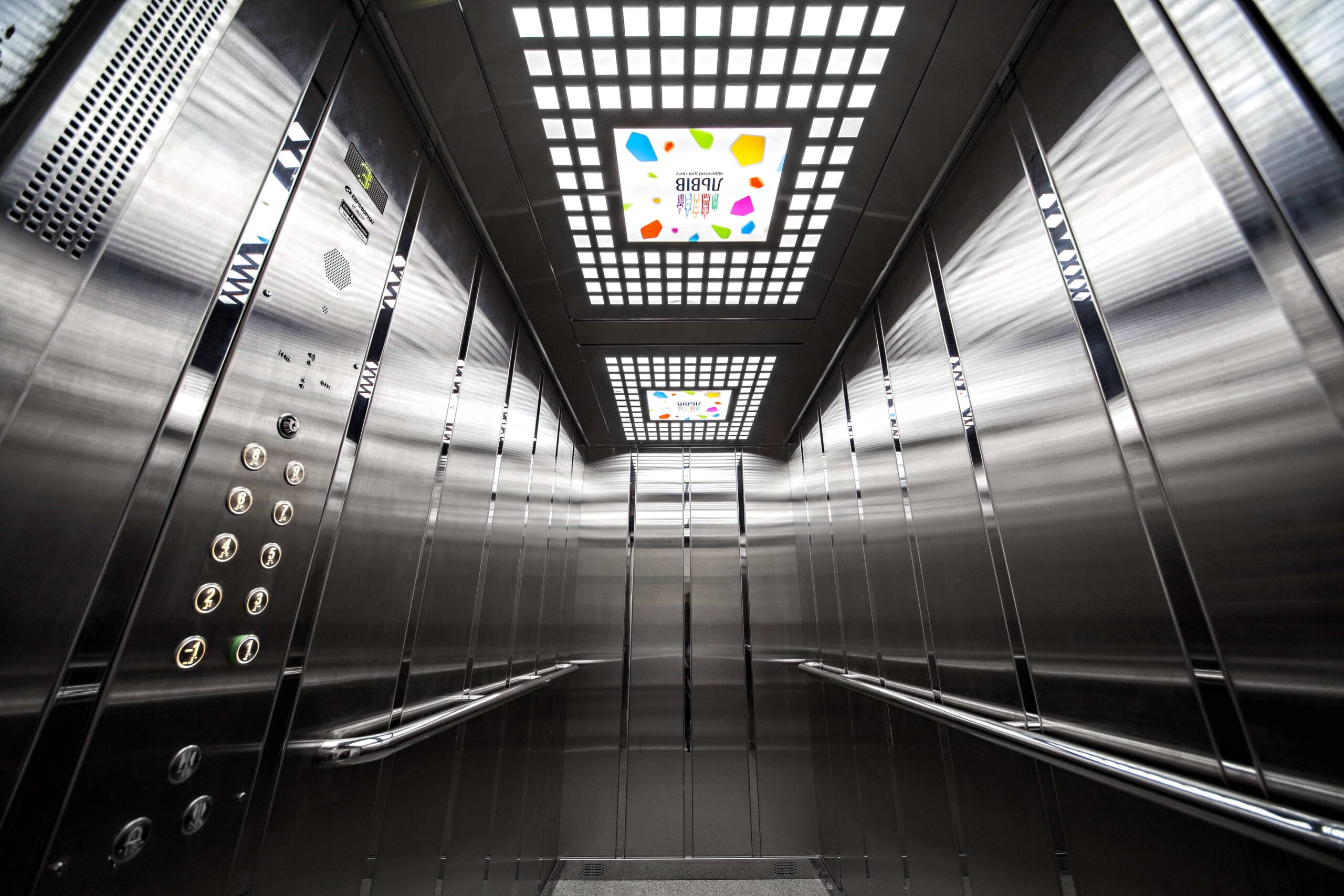
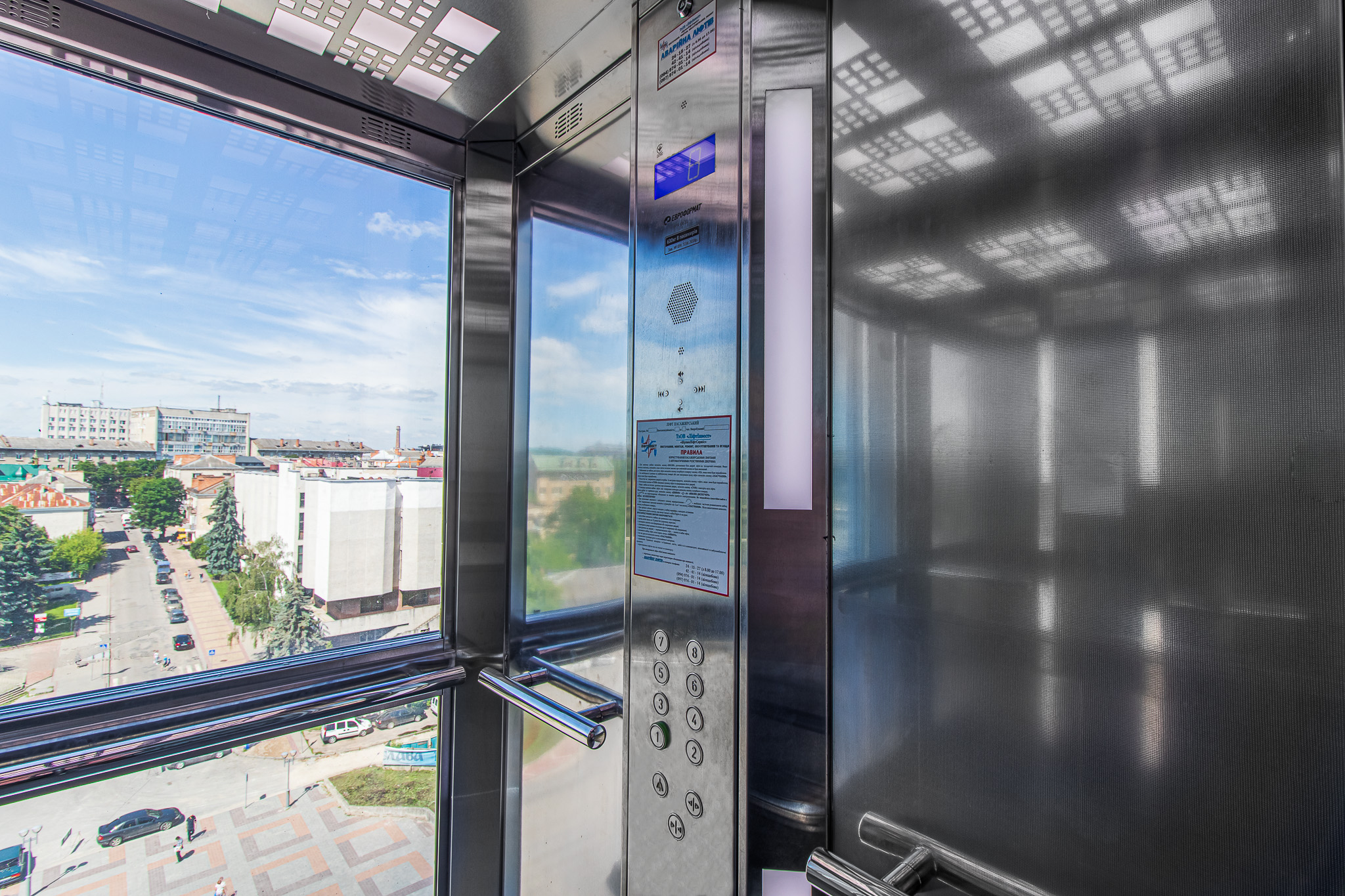
Similar solutions are now also manufactured by Ukrainian companies, including the Euroformat factory. Machine-room-less lifts help optimise the use of building space while providing comfortable passenger travel.
Euroformat lifts – modern and reliable solutions
Euroformat, one of Ukraine’s leading lift manufacturers, offers modern equipment for residential buildings, business centres, public facilities and industrial properties.
We provide complete lift solutions, from design and manufacturing to installation and ongoing maintenance. The equipment is developed to meet current requirements for safety, comfort and energy efficiency.
Planning to purchase a lift in Kyiv or another Ukrainian city? Contact the Euroformat team to learn more about the available models and select equipment suited to the specific requirements of your project.