





Lift equipment: how to choose a solution for a residential or commercial building
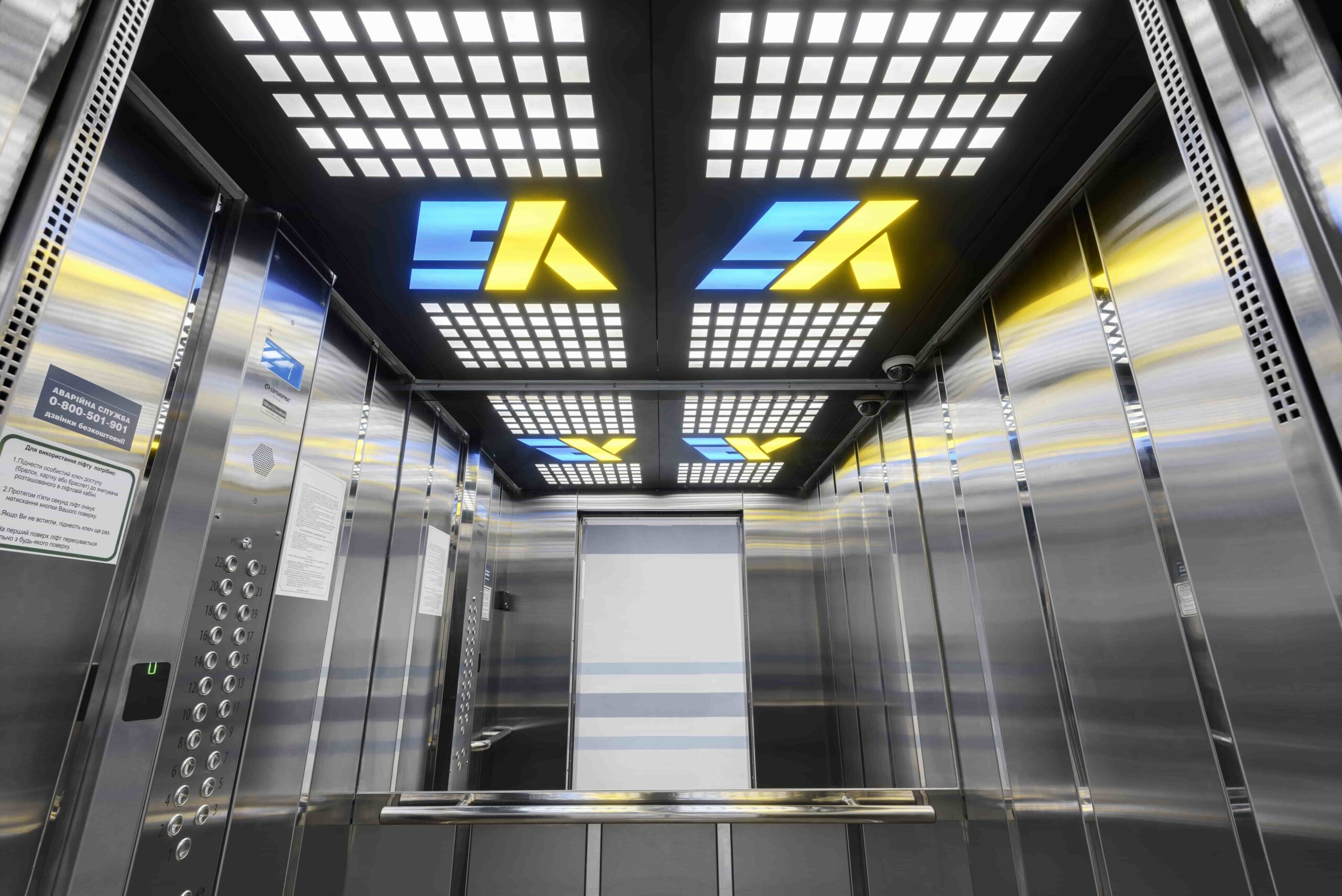
Lift equipment is a set of technical solutions for the safe vertical movement of people and goods in residential, commercial and public buildings.
For a developer or property owner, a lift is not a separate budget item, but part of the building’s engineering system. The right equipment choice affects user comfort, stable building operation, accessibility and future maintenance costs.
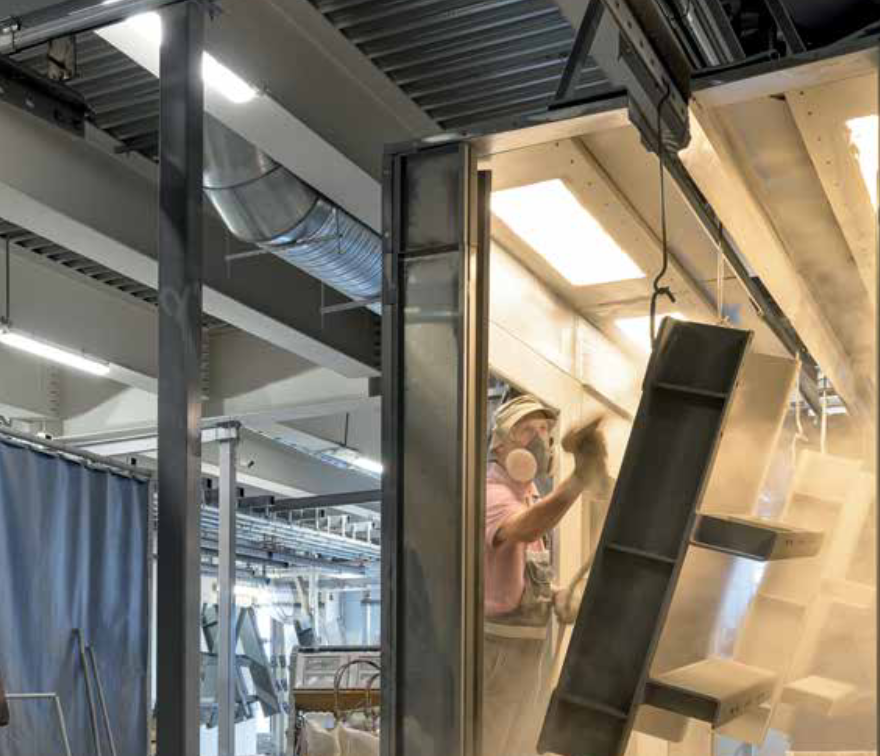
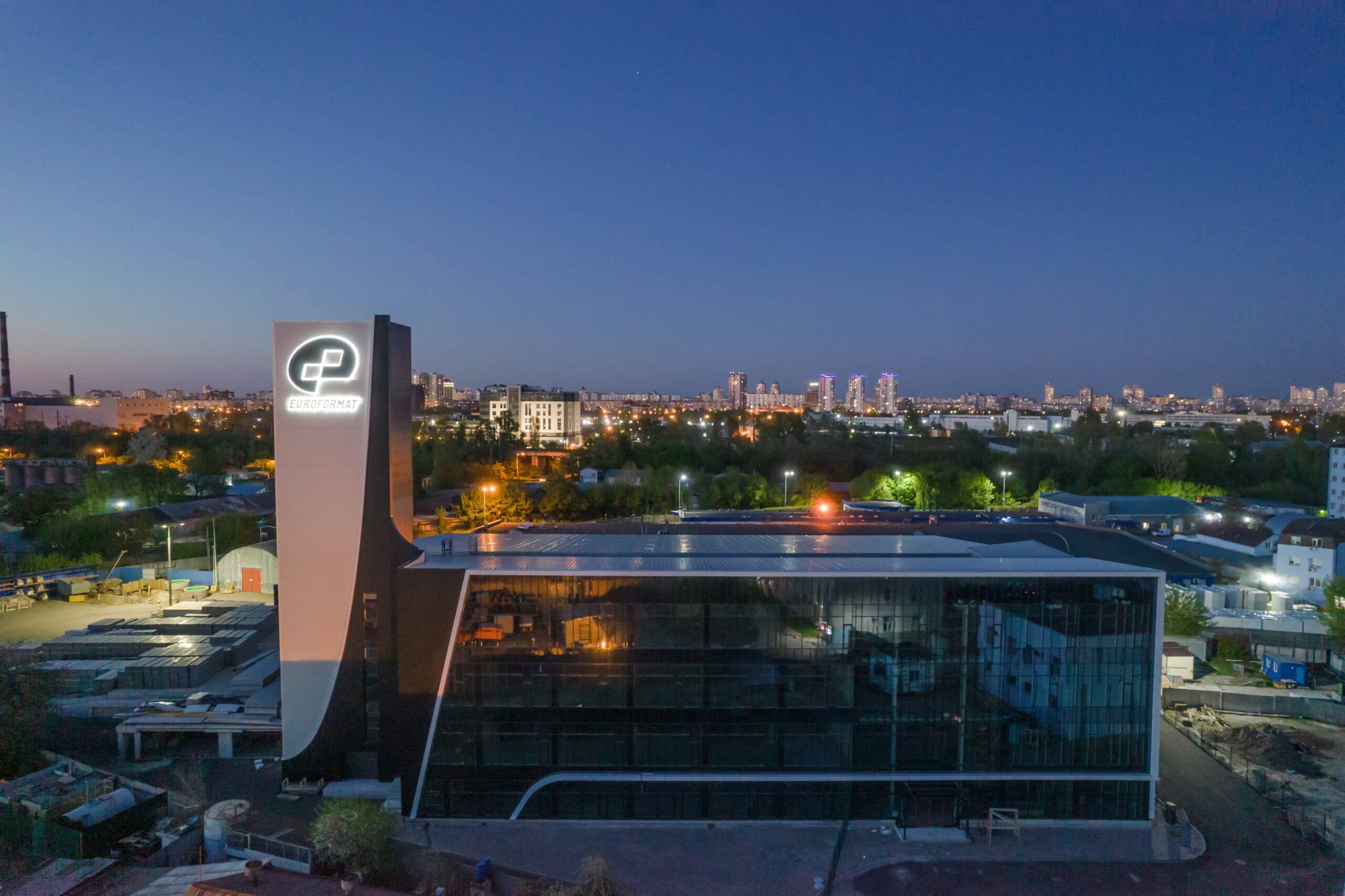
Euroformat is a leading Ukrainian lift manufacturer with production facilities in Kyiv. The company has been operating in Ukraine’s lift market since 2006 and launched serial production of lift equipment in 2008.
Types of lift equipment and key differences
Lift selection starts with the building type and operating scenario. For a residential complex, everyday reliability and residents’ comfort are important. For a business centre, capacity and stable operation during peak hours matter most. For a hospital, accessibility, cabin size, smooth ride quality and convenient patient transport are essential.
| Equipment type | Where it is used | What to consider |
|---|---|---|
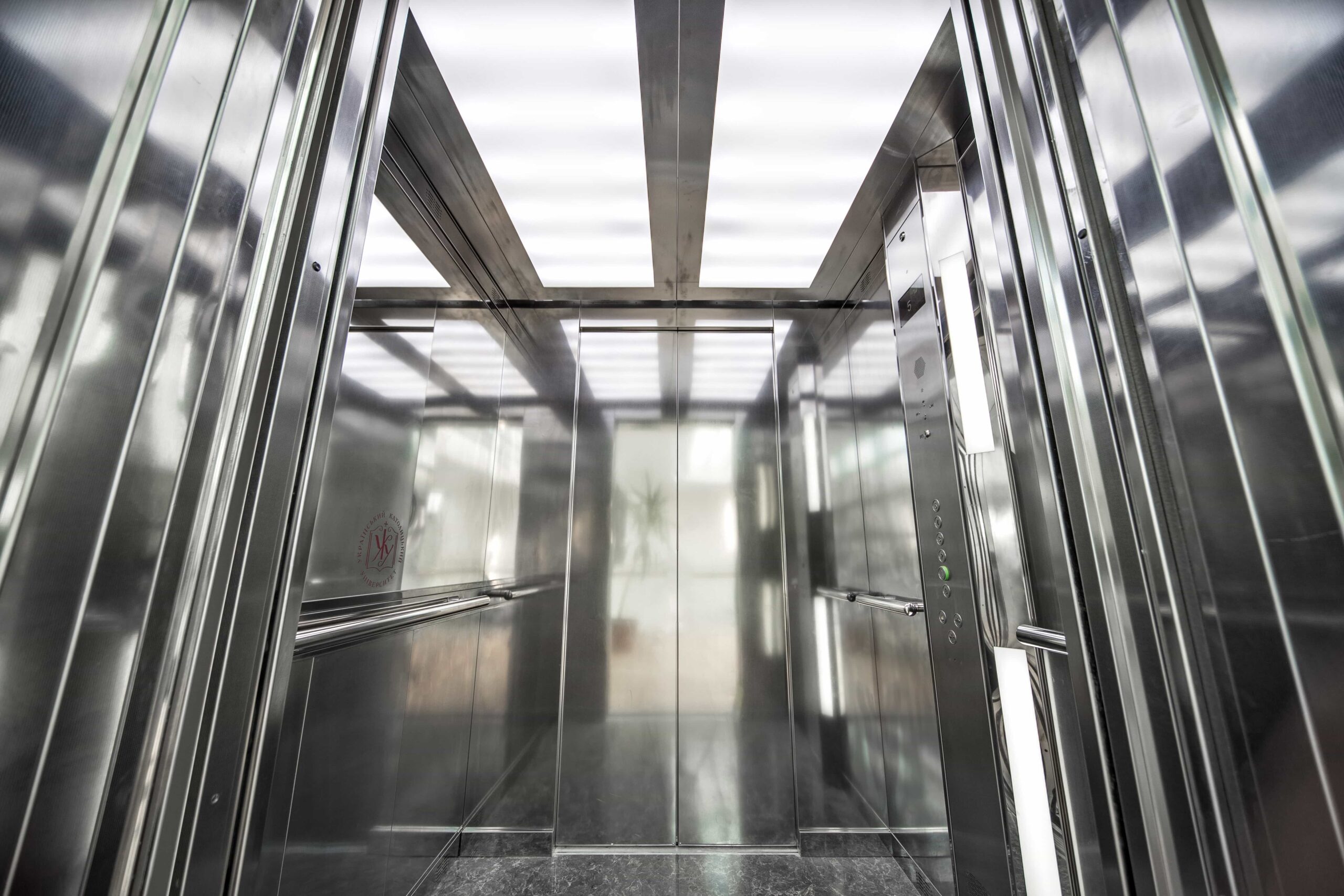
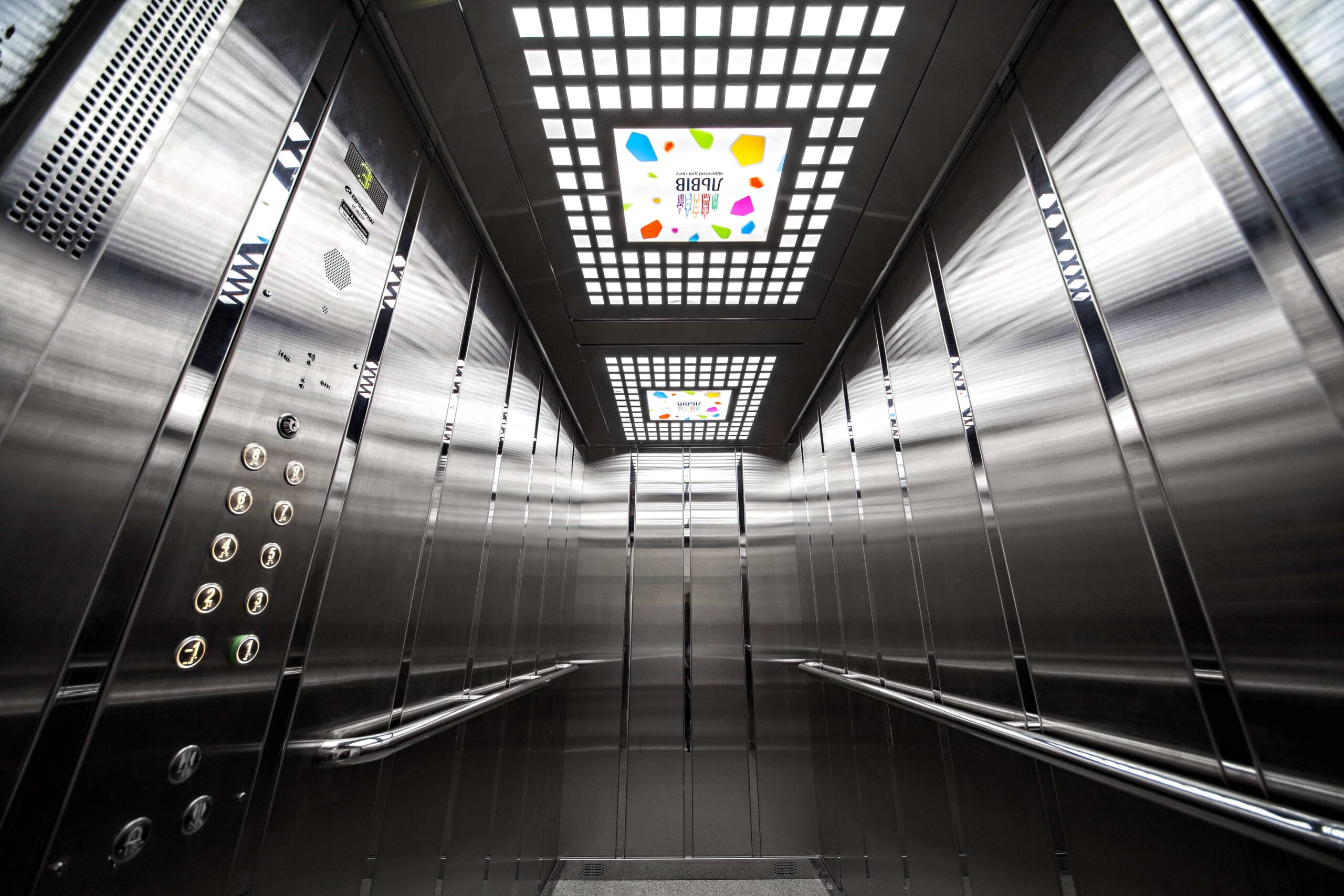
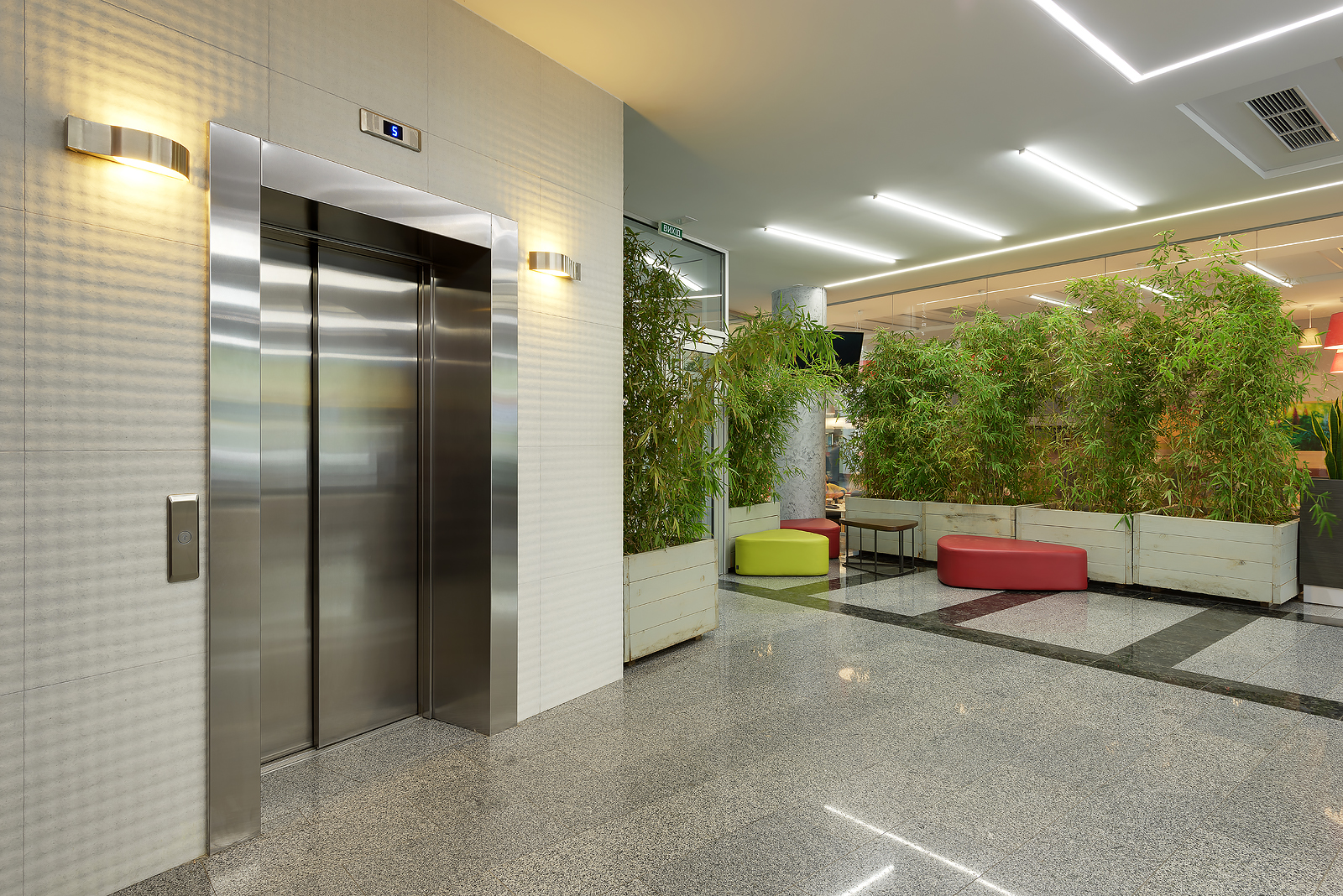
| Passenger lifts | Residential complexes, offices, public buildings | Comfort, safety, traffic intensity |
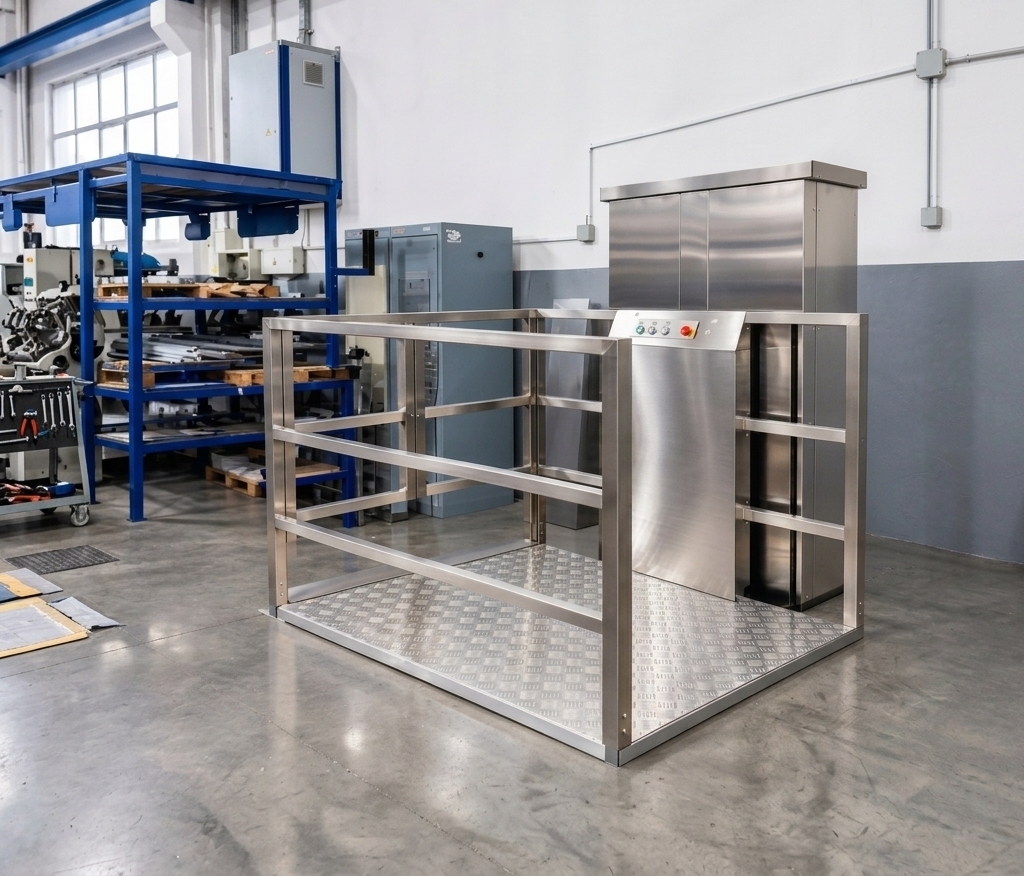
| Goods-passenger lifts | Commercial and technical facilities | Load capacity, durability, operating mode |
| Hospital lifts | Healthcare facilities | Cabin size, accessibility, smooth ride quality |
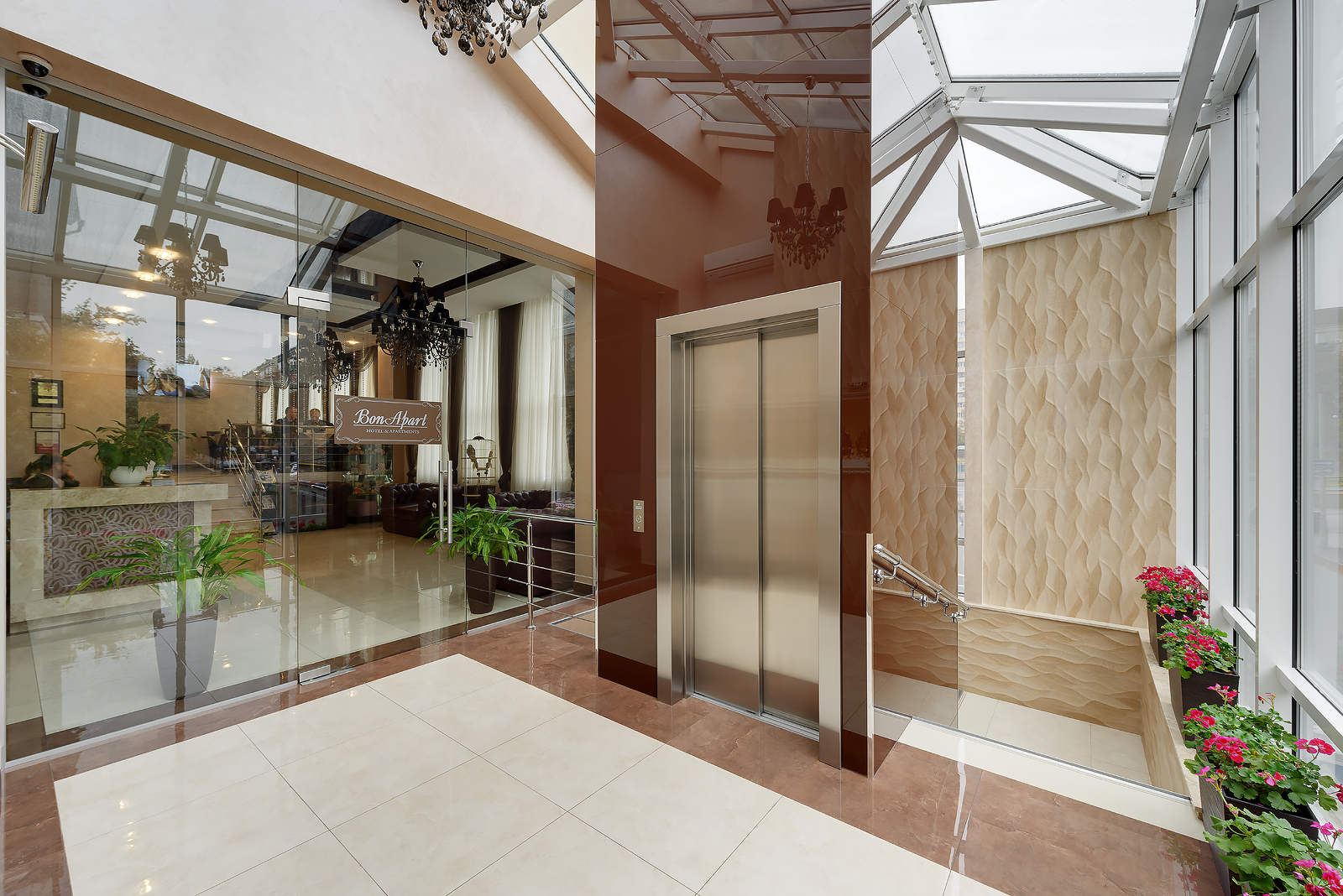
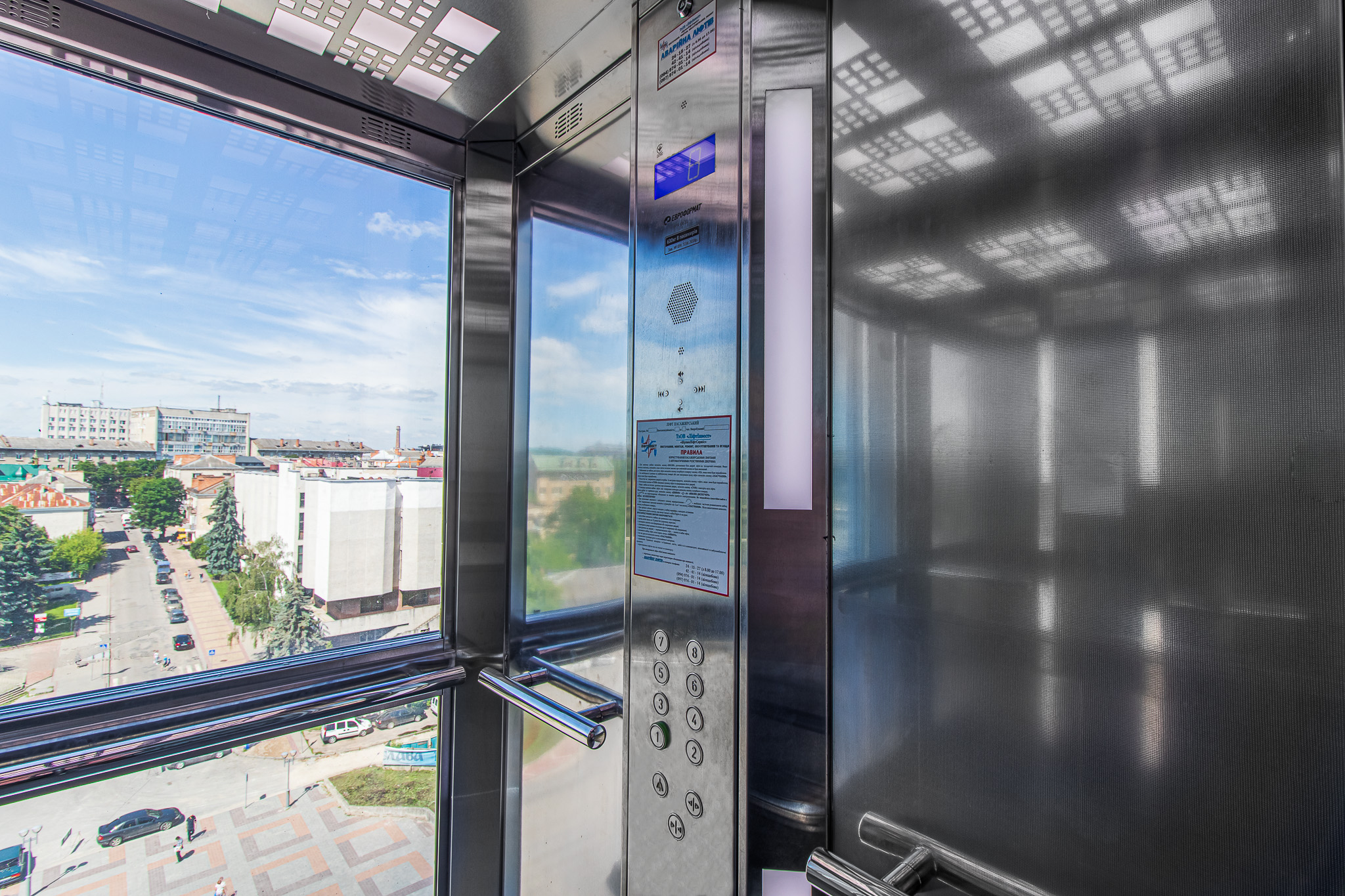
| Panoramic lifts | Shopping centres, hotels, business centres | Design, visibility, architectural integration |
The search query lift equipment Kyiv is often used by developers, designers and general contractors who value a local production base, faster communication and technical support in Ukraine.
How to choose lift equipment
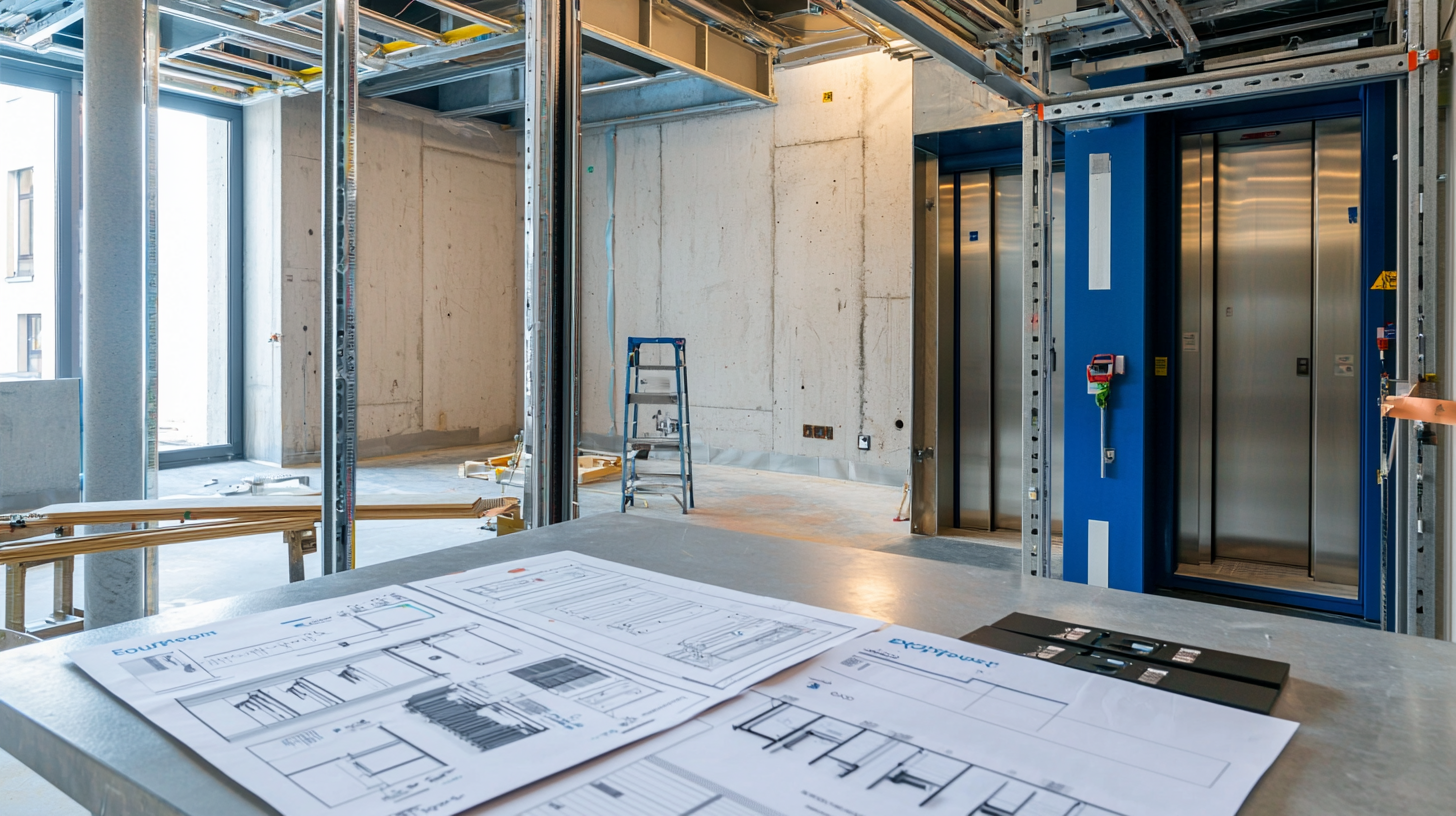
The right choice starts not with a catalogue, but with a technical specification. Before contacting a manufacturer, it is worth preparing basic information: building type, number of floors, shaft parameters, expected passenger flow, load capacity requirements, cabin design requirements and service maintenance needs.
For a developer, it is important to assess not only the equipment itself, but also the partner responsible for implementation. When the manufacturer supports the project from consultation to service, the risk of errors at the responsibility handover points between different contractors is reduced.
Practical checklist before choosing:
- define the building type and operating mode;
- check shaft parameters and technical limitations;
- assess the expected load;
- set requirements for the cabin and design;
- clarify the service model after launch;
- involve the manufacturer in consultation at an early stage.
Specifications and details that influence the decision
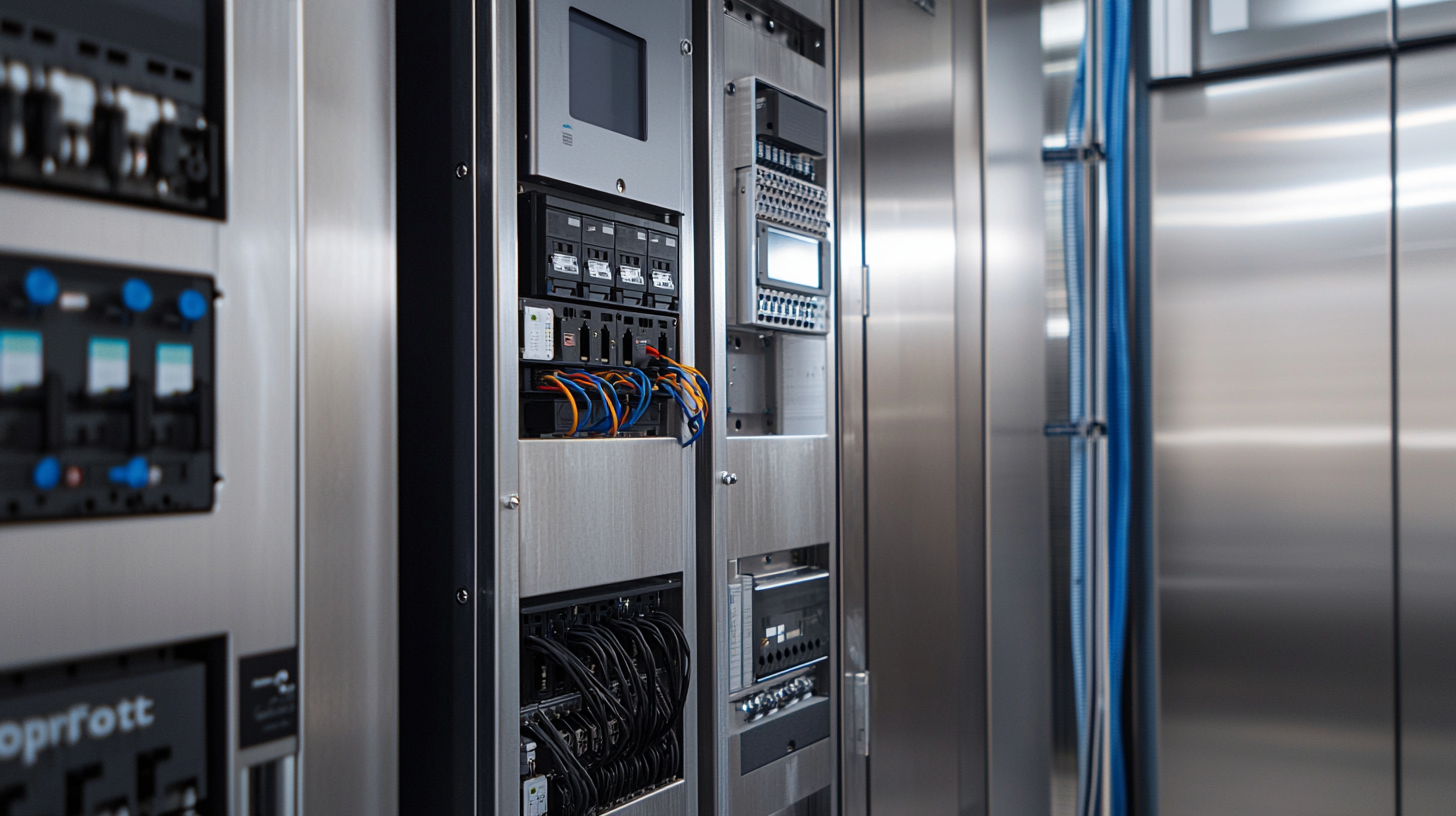
The final configuration is influenced by speed, load capacity, number of stops, drive type, control system, doors, cabin finishes and safety requirements. Equipment compatibility with the building architecture also plays an important role.
Cost should not be assessed in isolation either. Lift equipment prices depend on technical parameters, configuration, installation conditions and the requirements of a specific project. Therefore, an accurate calculation is possible only after project analysis, not based on a universal price list.
As a full-cycle manufacturer, Euroformat helps select a solution for a specific task. For a developer, this means clear communication, control over technical stages and service support after the building is commissioned.
The next step with Euroformat
If you are planning new construction, modernisation or looking for a manufacturer for a complex lift project, the next step is to visit Euroformat’s commercial lift equipment page.
There, you can learn more about the lift area and contact the company’s team for consultation on a specific project.
Frequently asked questions
How do you choose the right lift equipment?
Start with the building characteristics: project type, number of floors, shaft parameters, expected load and operating requirements. Residential, commercial, healthcare and public buildings require different solutions. It is best to contact the manufacturer at the design stage to avoid technical mistakes.
Why choose Euroformat for a lift project?
Euroformat has its own production facilities in Kyiv and works with lift projects comprehensively: from technical selection to service support. For a developer, this means one responsible partner, adaptation of the solution to the specific project and a more predictable implementation process at every stage.
What lift equipment is suitable for healthcare facilities?
For healthcare facilities, accessibility, smooth ride quality, sufficient cabin size and convenient transport of patients, staff and equipment are important. Such a solution is selected based on the building layout, intensity of use and safety requirements for operation in a medical environment.
Can existing lift equipment be modernised?
Modernisation is possible if the technical condition of the site allows individual systems or units to be upgraded without full replacement. The final decision is made after inspecting the lift and assessing the shaft, equipment, safety and economic feasibility of further operation.
Conclusion
Lift equipment should be selected as a long-term engineering solution, not as a one-time purchase. A quality result requires technical selection, manufacturing, installation, service and the responsibility of one partner. Euroformat helps developers and property owners obtain a solution adapted to a specific building, its load and operating conditions.