





Lift fire safety: how it works
Lift fire safety is critical to protecting passengers and buildings during an emergency. In Ukraine, lift equipment is governed by technical regulations, building regulations and standards, including specific requirements for the behaviour of lifts in the event of fire and for firefighter lifts.
Lifts in apartment buildings, business centres and public buildings require particular attention when the fire safety strategy is developed. Uncontrolled use of a standard passenger lift during a fire may result in the lift cabin stopping, smoke entering the shaft, or doors and control systems failing.
The lift’s response to a fire alarm must therefore be defined in the building design and coordinated with the overall fire protection system.
Can a lift be used during a fire?
A standard passenger lift must not be used during a fire unless its use is specifically provided for by the building design and an approved evacuation strategy.
The main risks include:
- Loss of power. Damage to the electrical supply may cause the lift cabin to stop.
- Smoke entering the lift system. Smoke may spread through the shaft, landings and door openings.
- Equipment failure. Heat, water and combustion products can damage electrical components, doors and control systems.
- Arrival at an unsafe floor. Without a dedicated control sequence, the lift may stop on the floor where the fire is located.
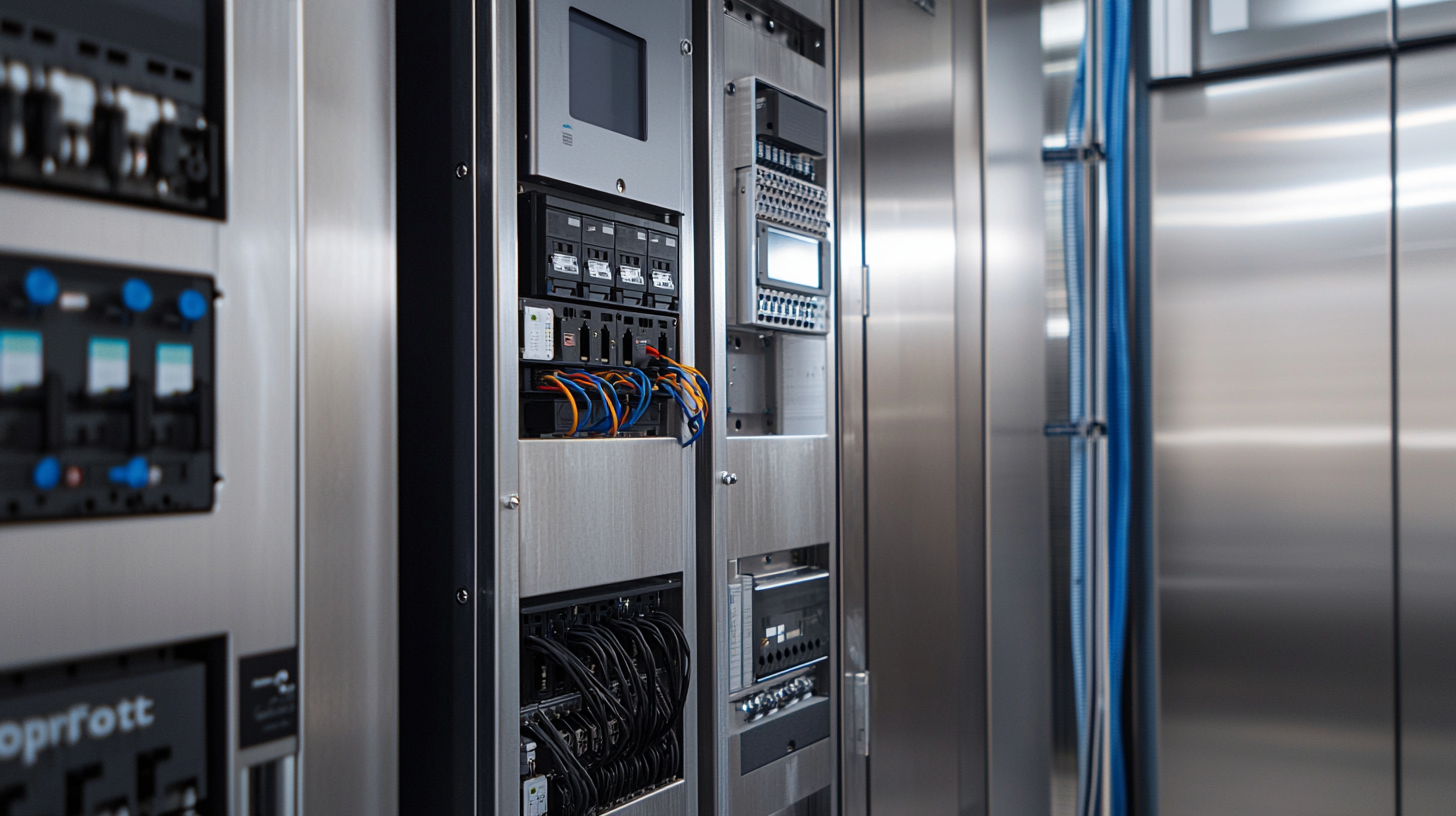
When a fire alarm signal is received, a modern lift should enter the operating mode defined by the building design. The system will generally cancel normal calls, send the lift cabin to a designated main or alternative landing, open the doors so that passengers can leave and remove the lift from normal service.
The exact sequence depends on the control system, fire alarm installation and design of the particular building. DSTU EN 81-73 covers the behaviour of passenger and passenger-and-goods lifts in the event of fire.
What should you do if a fire starts during a journey?
When the lift cabin reaches a safe floor and the doors open, leave the lift and continue along the designated evacuation route.
When the doors do not open:
- do not attempt to force them apart;
- do not leave through an emergency hatch unless instructed by rescuers;
- use the emergency call button or two-way communication system;
- tell the operator the lift number, building address and any available information about your location;
- follow the instructions provided by the emergency service.
Passengers trapped in a lift should be released by trained technicians or emergency responders.
How does evacuation during a fire work?
Protected staircases and designated emergency exits are normally the principal routes for independent evacuation.
A standard passenger lift should not automatically be treated as a means of evacuation. The evacuation of people by lift, including passengers with disabilities or reduced mobility, is only possible where the building has a dedicated design solution, suitable equipment, protected power supplies and an approved control sequence.
The fire alarm and lift control systems may:
- send a fire signal to the lift controller;
- cancel registered calls and lift cabin commands;
- send the lift cabin to a designated landing;
- prevent further use by ordinary passengers;
- send information to the control centre;
- place a dedicated firefighter lift under the control of the fire and rescue service.
The functions provided depend on the building design and equipment specification.
Lift fire safety inspections
Systems affecting lift operation during a fire should be examined as part of maintenance, testing and integrated inspections of the building’s fire protection systems.
Depending on the building and equipment, inspections may include:
Connection to the fire alarm system. The inspection confirms that the signal is received and that the lift enters the required mode.
Return to the designated landing. Normal commands, lift cabin movement and door opening in the specified area are tested.
Emergency communication. The two-way communication system between the lift cabin and the emergency or control point is checked.
Primary and standby power supplies. Dedicated equipment is tested to confirm that it can switch to the specified alternative power source.
Smoke control. The interaction of lift lobbies and shafts with air pressurisation and smoke extraction systems is assessed where these systems are included in the design.
Doors and surrounding structures. Lift landing doors and building elements are checked against the fire-resistance requirements specified by the project.
Ukraine’s Technical Regulation on lifts and safety components for lifts is currently in force in the version dated 18 December 2025. It establishes essential lift safety requirements, while detailed fire protection arrangements are also governed by building regulations, specialist standards and the approved building design.
What is a firefighter lift?
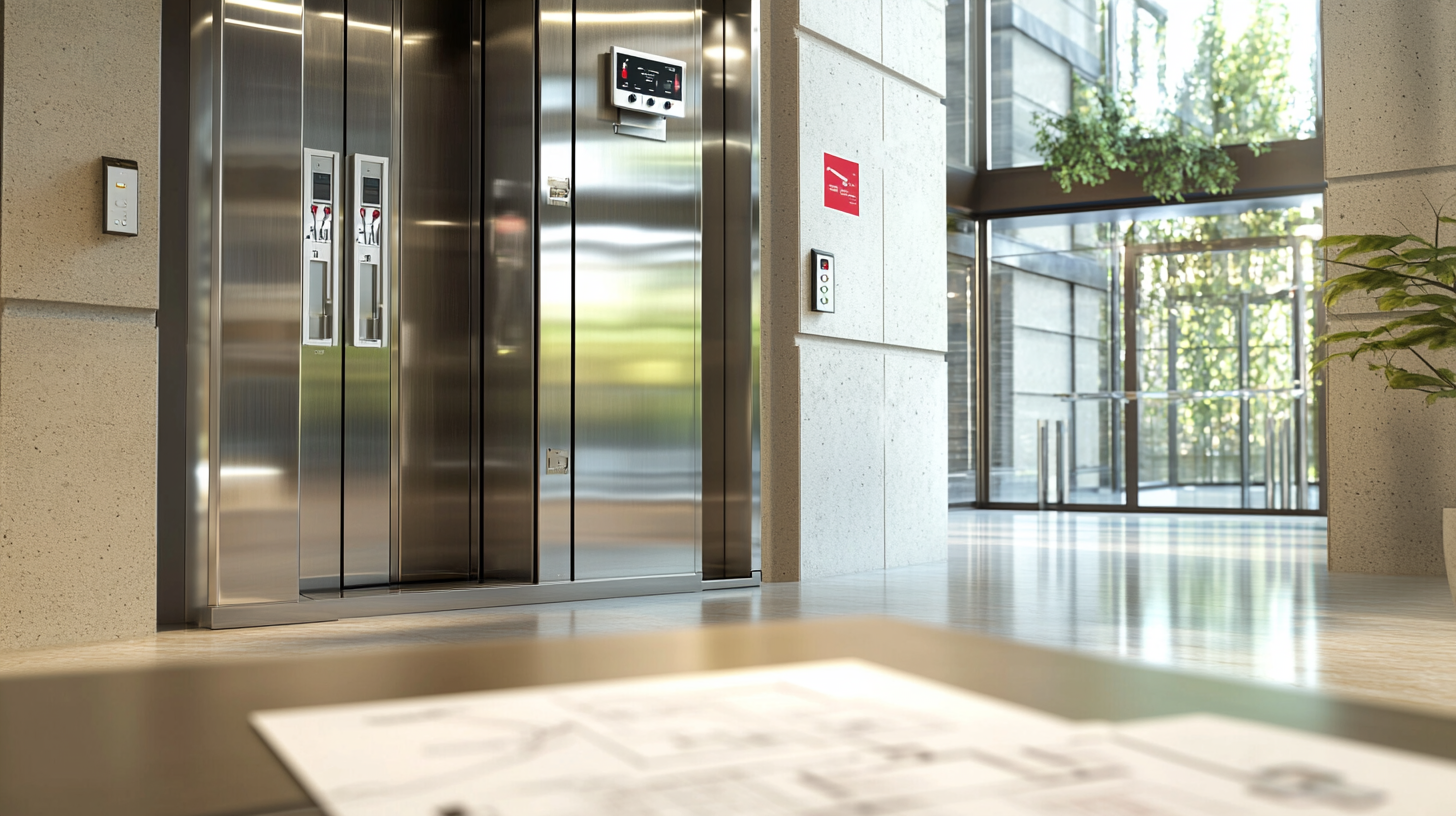
A firefighter lift is specialised equipment fitted with control, protection and communication systems that allow fire and rescue teams to travel between floors to rescue people, locate a fire and carry out firefighting operations.
It differs from a standard passenger lift in its construction, power supply, operating controls and protected access arrangements.
A firefighter lift should not be confused with a standard lift that simply returns to a designated landing when a fire alarm signal is received.
Main requirements for firefighter lifts
The exact parameters depend on the building design and applicable regulations. The principal provisions include:
A dedicated control mode. Once the fire and rescue service arrives, the lift can be placed under its priority control.
Protected power supplies. The electrical supply must enable the lift to perform its specified function during a fire.
Communication systems. Reliable communication is required between the lift cabin, the main access level and the control point.
Protection against water. Equipment and electrical components must be protected against water that may enter the shaft during firefighting operations.
Protected lift lobbies. Access routes and landing areas are designed to meet the relevant fire protection requirements.
Smoke control. The shaft and adjoining areas may require air pressurisation or other smoke control measures.
Fire-resistant construction. The shaft, landing doors and surrounding structures must meet the fire-resistance performance specified for the particular building.
Requirements for firefighter lifts are covered by DSTU EN 81-72, which was adopted in Ukraine as a standard harmonised with the corresponding European document.
Euroformat lifts designed with fire safety in mind
Euroformat, one of Ukraine’s leading lift manufacturers, supplies equipment for residential, public and commercial buildings. The lift specifications, its response to a fire alarm and its connection to the building’s fire protection systems are determined during the design stage.
Customers can receive a complete solution covering:
- equipment selection and design;
- adaptation of the control system to the building project;
- lift manufacturing and supply;
- installation and commissioning;
- testing of interaction with other building systems;
- ongoing maintenance.
Depending on the project, Euroformat specialists can provide a standard passenger lift with the required fire alarm operating mode or a specialised lift for transporting fire and rescue teams.
Contact Euroformat to purchase a lift in Kyiv or obtain a quotation for another Ukrainian city. The company’s consultants will explain the available models, production and installation periods, and help select equipment that meets the requirements of the project.