









How localisation is changing the rules of the tender market: what it means for installation companies
On 4 August, Resolution No. 782 came into force, significantly expanding the list of manufactured goods subject to mandatory minimum localisation requirements in public procurement.
The requirement applies to goods valued at more than UAH 200,000 and stipulates that a specified proportion of the product’s cost must be attributable to Ukrainian manufacturing. In 2025, the required level is 25%, increasing by 5% each year until it reaches 40%.
The expanded list includes 25 product categories, including:
- Mechanical engineering – lift equipment and tractors.
- Light industry – uniforms, including military uniforms.
- Electrical equipment and lighting – luminaires, cables and traffic lights.
- Metal structures and large-diameter pipes.
What changes will public procurement participants experience?
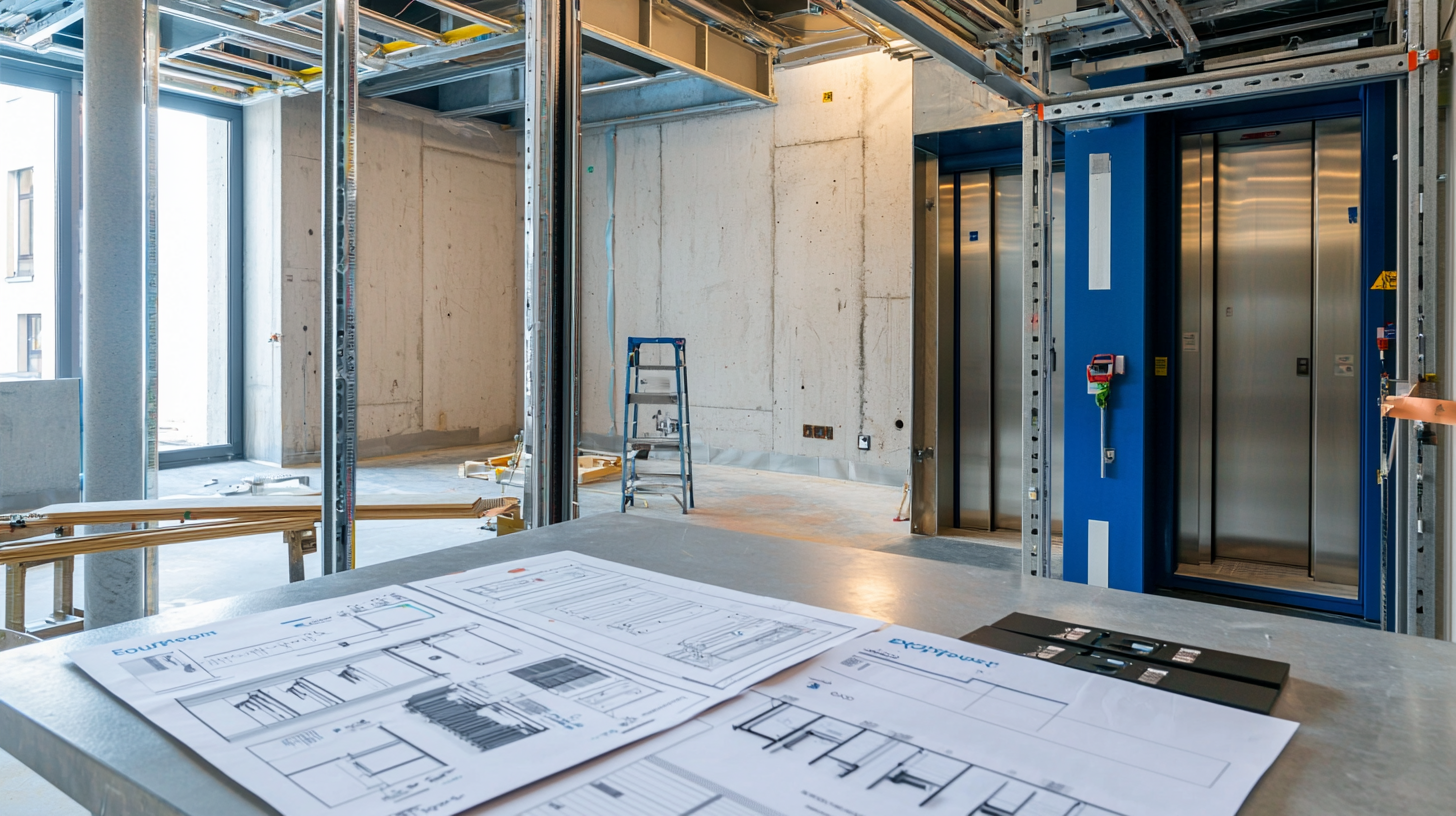
The requirement applies not only to manufacturers but also to all suppliers participating in tenders whose bids include the sale of goods. For example, an installation company that installs lift equipment and takes part in a tender must offer lifts that meet the localisation criterion.
Only a company proposing a lift with the required proportion of Ukrainian manufacturing in its production cost will be eligible to participate in the tender.
How achievable are the requirements?
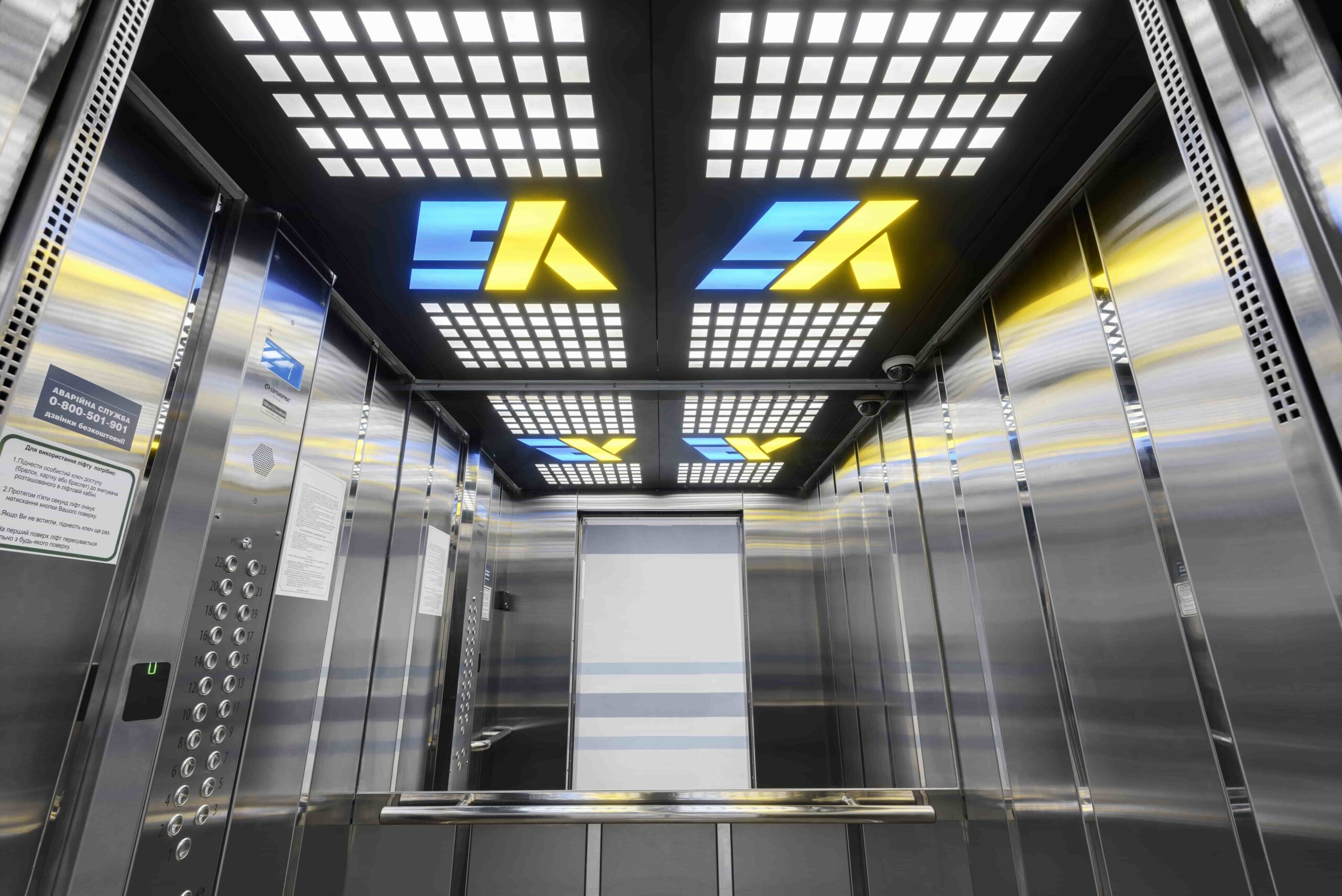
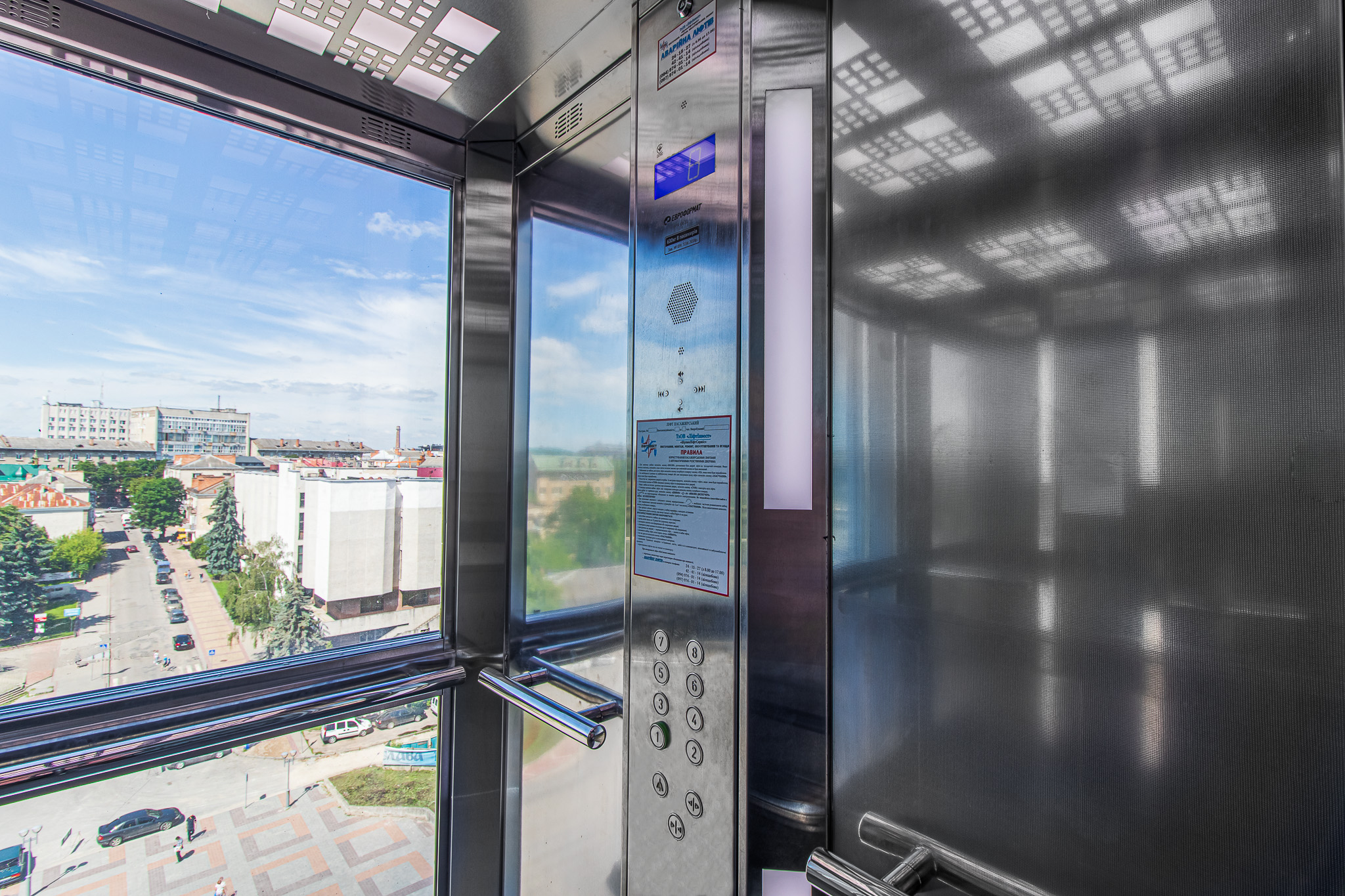
Meeting the required localisation level is entirely realistic. For example, approximately 59.3% of the components used in Euroformat lifts are already manufactured in Ukraine. Ukrainian-made components include overspeed governor ropes, counterweights, cables and wiring products, sheet metal, aluminium profiles and lift cabin finishing materials.
However, guide rails, control systems, lifting machines and safety system components are still imported. Because equivalent components are either unavailable or not produced in Ukraine, it is not yet possible to discontinue purchases from European and Asian manufacturers.
How can compliance with localisation requirements be verified?
A manufacturer must complete the qualification procedure on the tender platform to confirm compliance with the required localisation level. Checking whether a product has been included in the register of localised goods is straightforward – the relevant information can be found in the official register.
To include a product in a tender bid, the supplier uploads supporting documents linked to the specific item.
Are operating expenses in Ukraine counted if the product is manufactured abroad?
No. Under the localisation rules, at least one stage of the manufacturing process must take place in Ukraine. Expenses related to rent, marketing and legal services are not included.
Companies whose entire production cycle takes place abroad do not meet the criteria and are not eligible to participate in public procurement. Additional requirements include warranty and post-warranty servicing, as well as the availability of the relevant certificates.
Will imported products disappear from public procurement?
No. The localisation requirement does not apply to products manufactured in countries that are parties to the World Trade Organization Agreement on Government Procurement, known as the GPA. These include EU member states, the United States, Japan, South Korea, the United Kingdom and other countries.
Products from these countries may participate in tenders even without meeting the required localisation level.
Will contracting authorities have to pay more for Ukrainian-made products?
Ukrainian-made goods are often more expensive than imported alternatives. Contracting authorities may therefore be concerned about an increase in procurement costs.
However, localisation forms part of a broader system of support for domestic manufacturing. This includes the Affordable Loans 5-7-9% programme, as well as reimbursement of 25% and 15% of the cost of Ukrainian agricultural machinery and other types of equipment respectively.
The programme was introduced to reduce the share of imported goods in public procurement. In Ukraine, imports account for 38% of such purchases, almost four times the global average of 10%.
Ukrainian companies create jobs and pay taxes that contribute to funding the Defence Forces of Ukraine and social programmes. At the same time, localised products meet high standards of quality and operational reliability, benefiting both contracting authorities and end users.
Many Ukrainian cities operate co-financing programmes for the replacement of expensive equipment in residential buildings, including lifts. These programmes use local budget funding while requiring only a limited contribution from residents. In Kyiv, for example, the city covers 95% of the cost of replacing old lift equipment in multi-storey residential buildings.
The low price of some imported equipment, particularly products from China, may be associated with lower-quality raw materials and accelerated wear. One-off contracts without warranty servicing, technical support or spare parts do not provide genuine savings. Instead, they can create safety risks for both contracting authorities and users.
International practice, from Europe to the United States, shows that even developed economies actively support domestic businesses through public procurement. This promotes local manufacturing, protects and creates jobs, reduces the loss of skilled workers and supports supply chain stability.
Euroformat products meet the localisation criteria established by Resolution No. 782 of the Cabinet of Ministers of Ukraine dated 2 July 2025 and may be included in tender bids in accordance with current Ukrainian legislation.