







How to choose the right lift for a specific property
Choosing the right lift for a residential or commercial property requires consideration of the building type and purpose, shaft dimensions, expected demand and user needs. The correct equipment specification affects passenger comfort and safety, as well as the efficient operation of a residential development, shopping centre, office building or private home.
Why is choosing the right lift important?
A lift is not simply a means of transport. It is an important part of the building’s infrastructure. An unsuitable lift can inconvenience users, increase operating costs, cause frequent faults or fail to meet applicable building and technical requirements.
Lift selection should therefore take account of the purpose of the property, its architectural characteristics, expected passenger traffic and the needs of residents, employees or visitors.
Lift selection criteria
Several key factors should be considered when selecting a lift for a particular property.
- Purpose of the property. Different building types have different lift requirements. Residential developments require reliable, spacious equipment that is comfortable for everyday use, while shopping centres place greater emphasis on performance, durability and integration with the architectural concept.
- Rated load and capacity. Compact lifts with a rated load of 250-400 kg may be suitable for private homes. Office buildings, shopping centres and properties with high passenger traffic may require models rated at 1,000 kg or more. The final parameters are determined by the calculated load, number of users and intended operating scenarios.
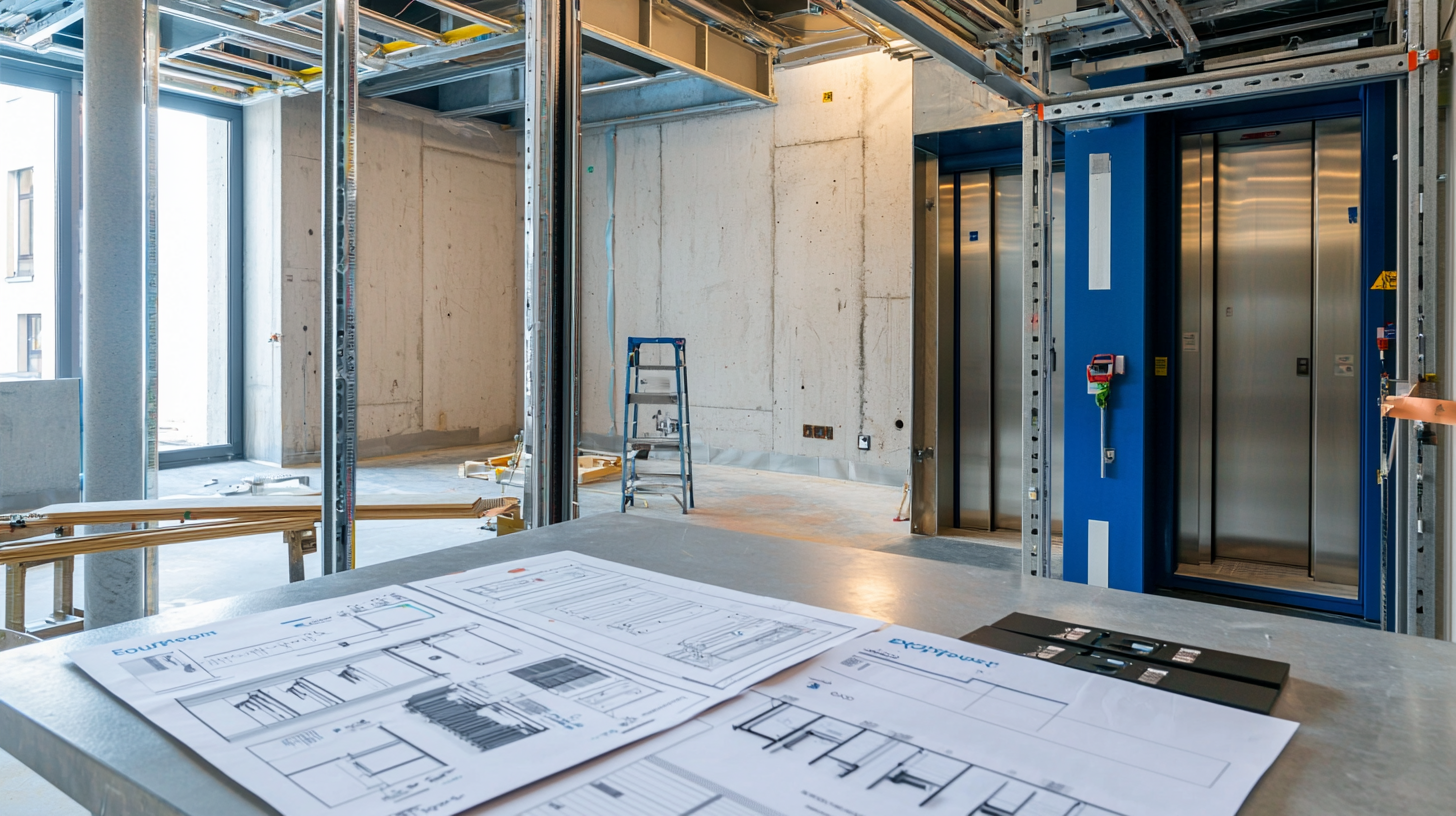
- Shaft dimensions. Restricted shaft dimensions may require a compact configuration or a machine-room-less lift. For shafts with non-standard parameters, the equipment should be selected and adapted after measurements and a review of the project documentation.
- Speed and performance. Travel speed and handling capacity are important in multi-storey residential developments, hotels and office buildings. In schools, healthcare facilities and properties used by people with reduced mobility, smooth travel, accurate floor levelling and safety are the main priorities.
- Energy efficiency. Modern technical solutions can reduce electricity consumption and help optimise operating costs. Actual performance depends on the lift model, drive system, operating pattern and characteristics of the property.
- Compliance with standards. Lift equipment must comply with the applicable building regulations, technical requirements and safety standards. Compliance is confirmed by the documentation required for the specific equipment type and project.
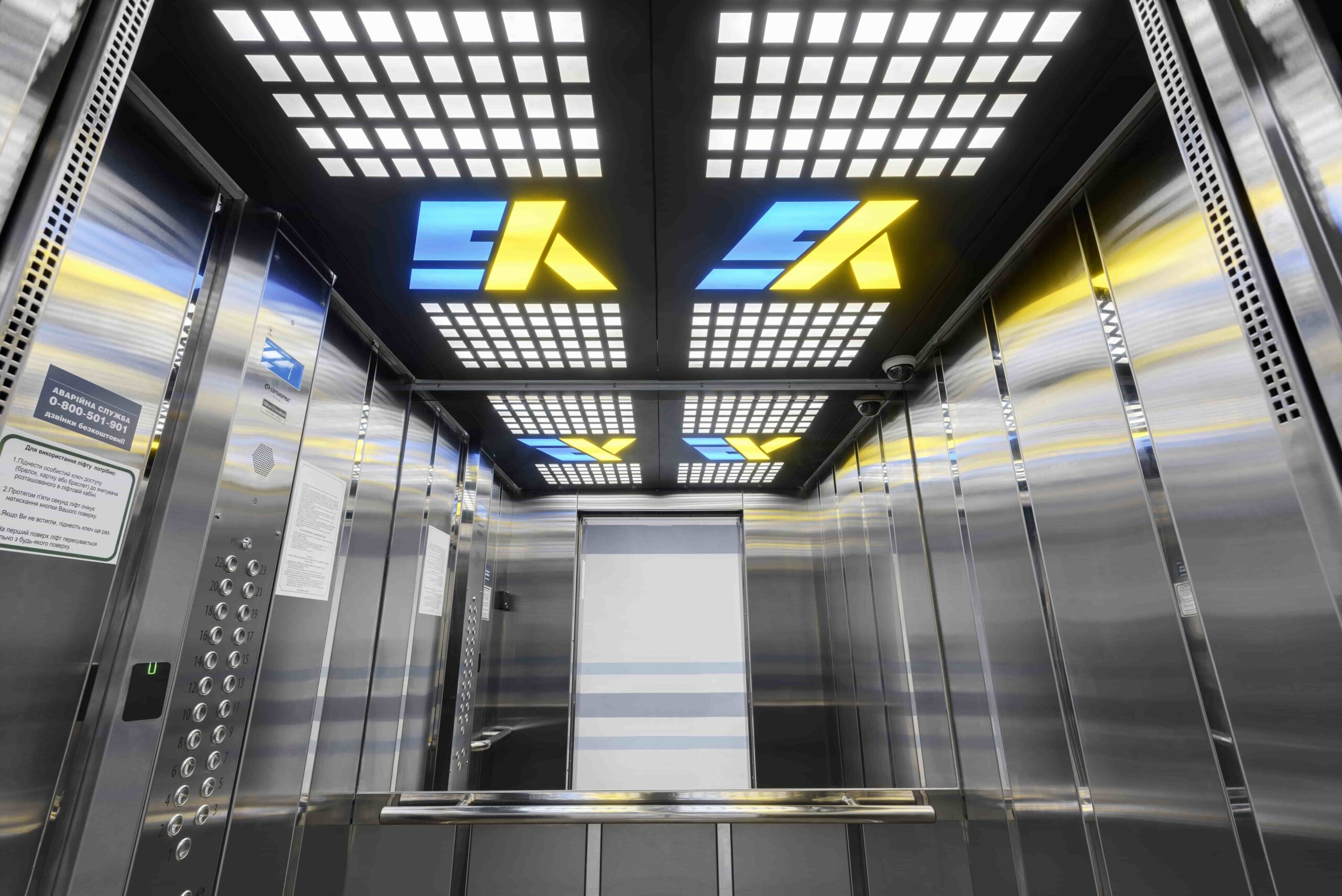
- Design and comfort. Lift car design and consistency with the building interior are particularly important for hotels, business centres and retail properties. Healthcare facilities require suitable lift car dimensions, convenient transport of patients and equipment, and practical, easy-to-maintain finishes.
Choosing a lift for different property types
- Residential development. Lifts for residential developments should be reliable, spacious and designed for frequent everyday use. Selection should consider the transport of pushchairs, bicycles, luggage, furniture and household loads. Models rated from 400 kg may be considered for many apartment buildings, although the final configuration depends on the number of floors and apartments, passenger traffic and shaft parameters.
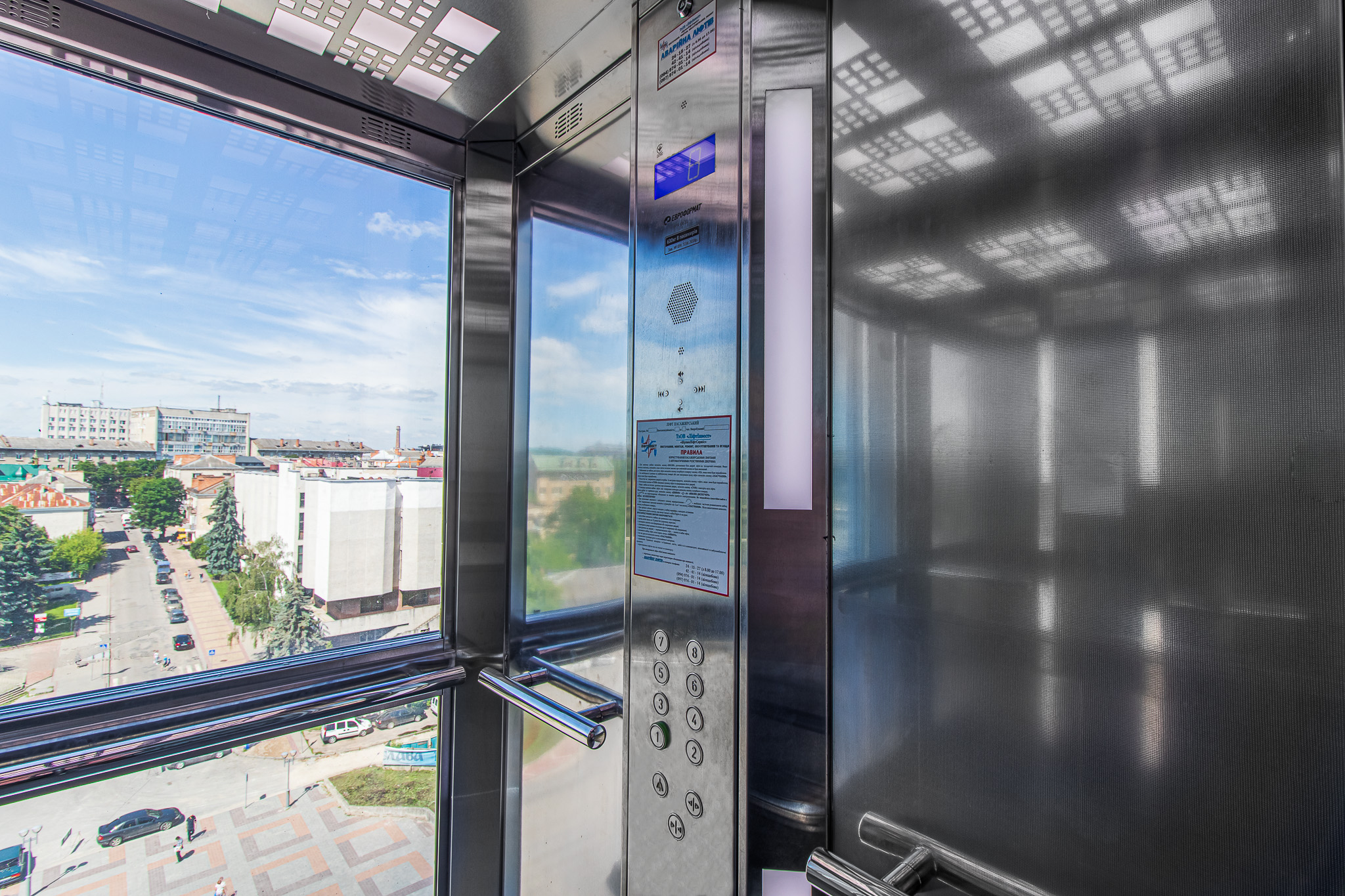
- Shopping centre. Shopping centres require high-performance lifts with spacious cars and durable finishes. The equipment should be capable of handling high passenger traffic and providing convenient movement between floors. Panoramic lifts may be used where they suit the architectural concept of the property.
- Office building. Office buildings require adequate travel speed, handling capacity and efficient passenger flow during peak periods. The rated load and number of lifts are determined according to the number of employees and visitors, the building height and operating hours. Access-control systems and specialised control algorithms can also be included where required.
- Schools and healthcare facilities. Safety, smooth travel, accurate floor levelling and step-free access are priorities in educational and healthcare buildings. Healthcare lifts should accommodate patients, wheelchairs, stretchers, hospital trolleys and medical equipment. Lift car and door opening dimensions are selected according to the operating scenarios defined by the project.
- Industrial property. Industrial properties use goods lifts or passenger and goods lifts with robust construction and finishes suitable for intensive operation. The required rated load, which may start from 1,000 kg, depends on the nature of the goods, loading method and production routes.
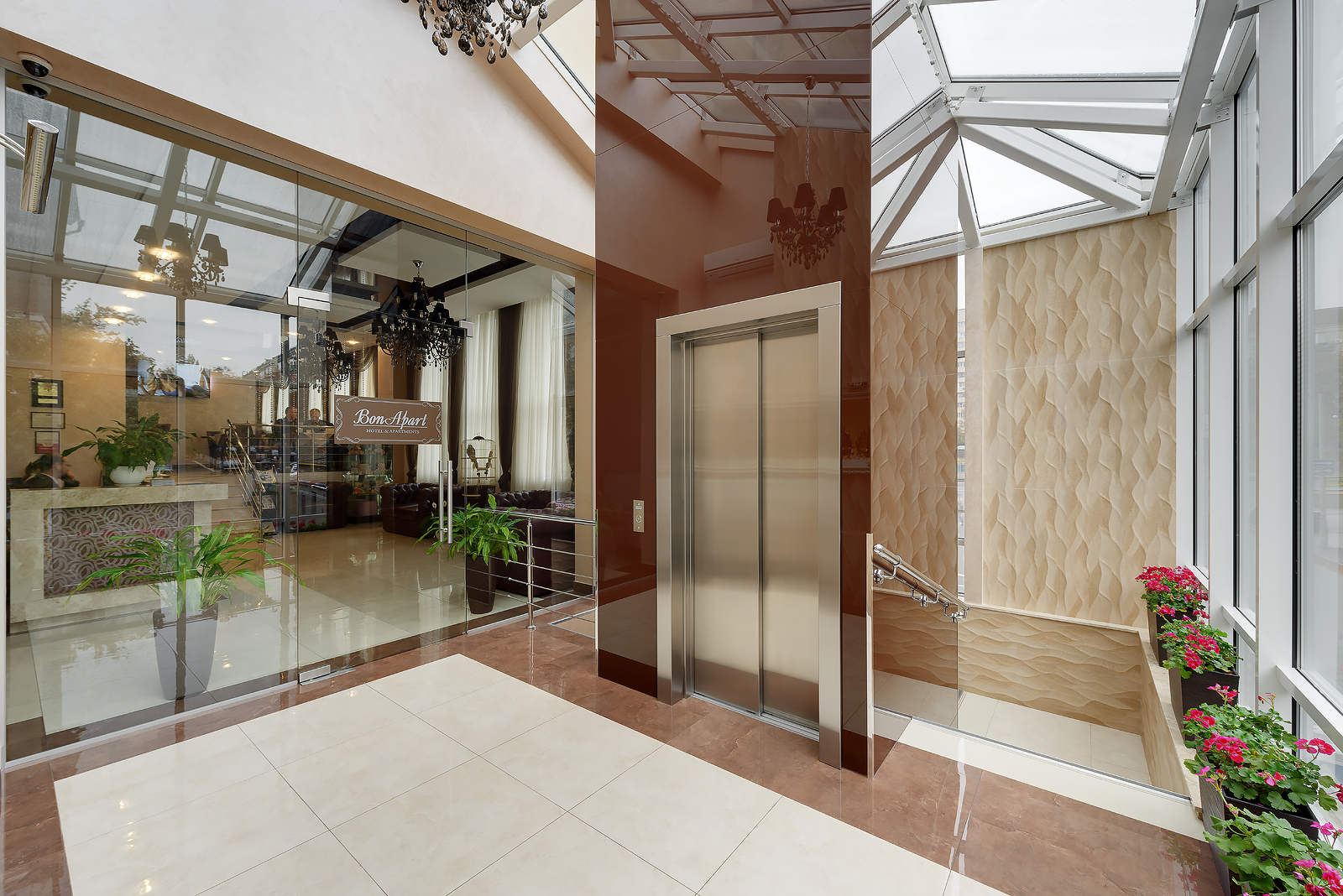
- Hotel. Hotel lifts should combine functionality, quiet operation and attractive design. A spacious car, smooth travel and finishes coordinated with the interior contribute to guest comfort. Passenger and service flows can be separated where necessary.
- Private home. A compact lift rated at approximately 250-300 kg may be suitable for a private home. Hydraulic or machine-room-less solutions can be considered where space is limited. The final choice depends on the number of floors, shaft dimensions, available space and user requirements.
Euroformat provides comprehensive lift solutions for properties in Kyiv. Our specialists help select the most suitable configuration based on the purpose of the building, shaft parameters, expected demand and operating conditions.