



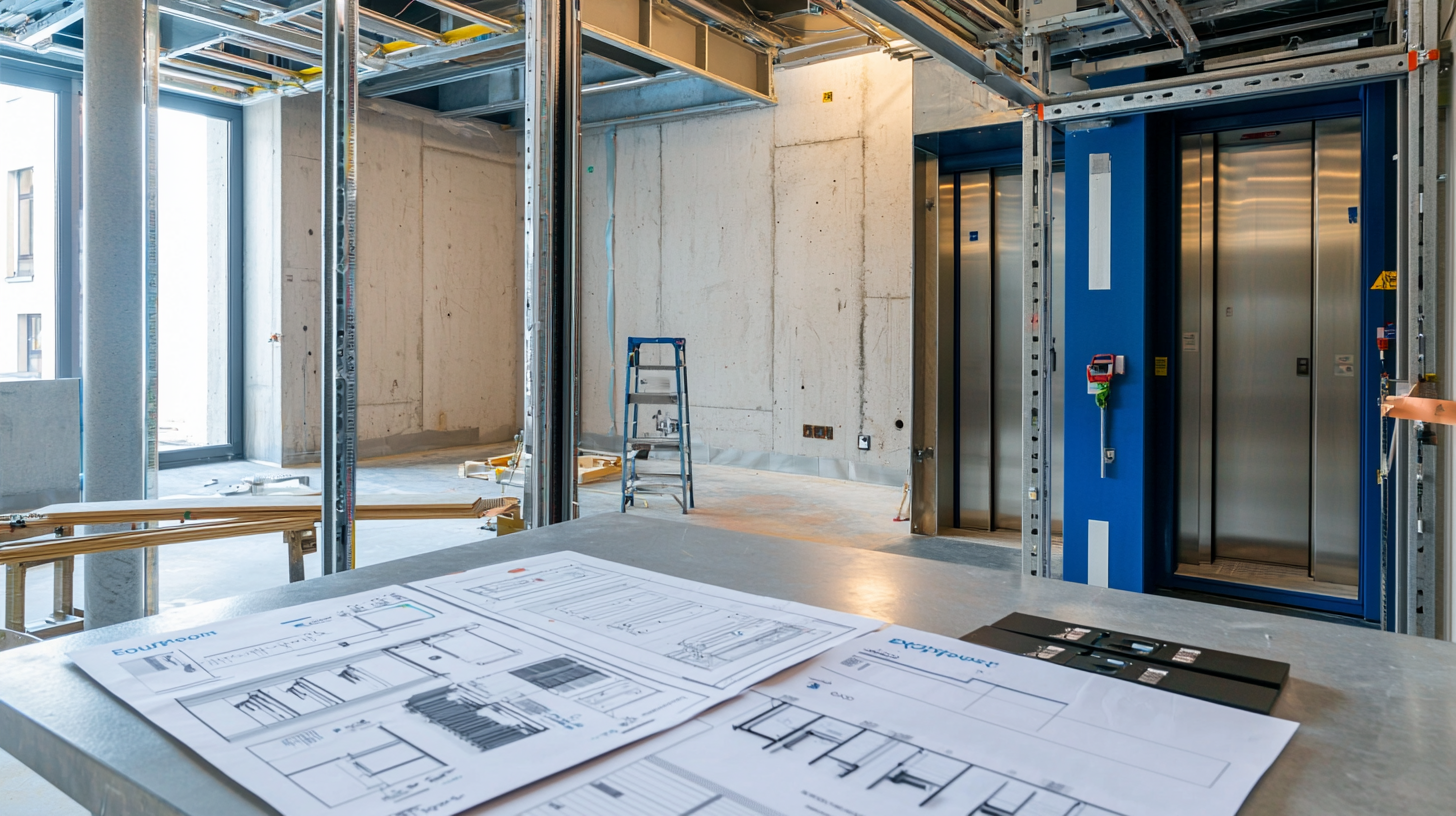
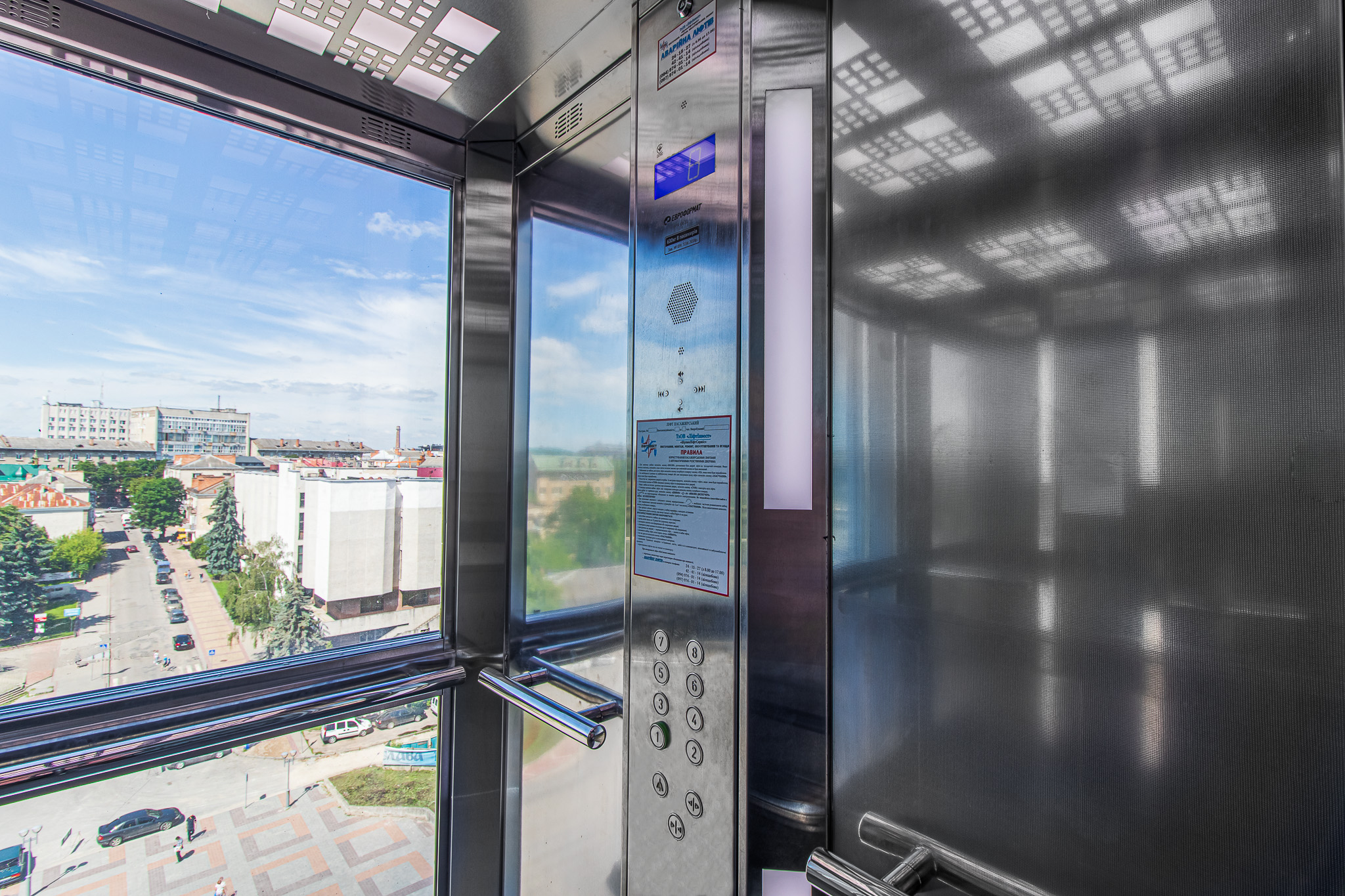
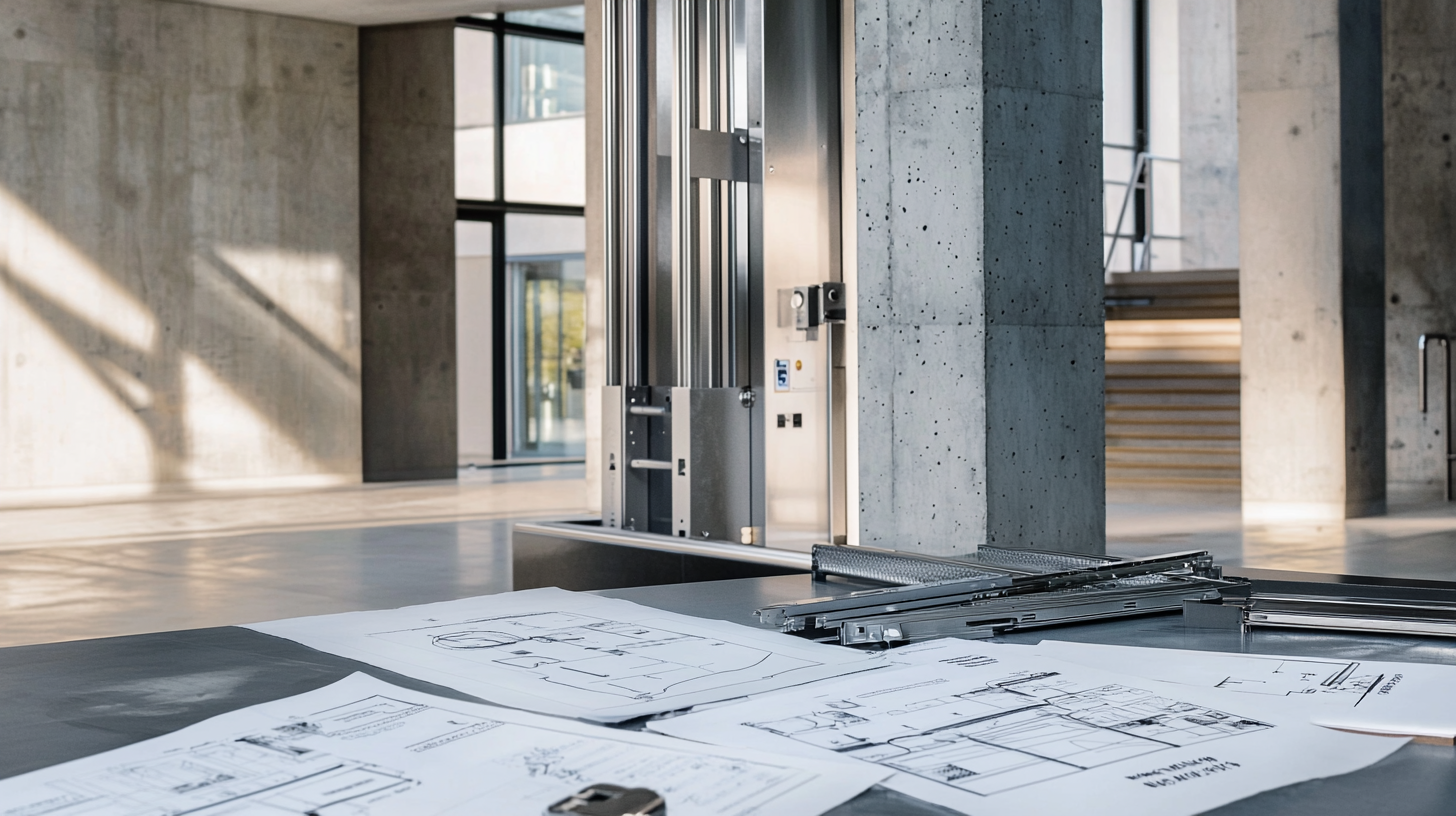



In addition to equipment specifications, it is worth clarifying the procedure for technical support, service maintenance, the list of documentation, conditions for approving project changes and support after the lift is commissioned. This approach helps assess not only the product, but also the level of partnership offered by the manufacturer.
Frequently asked questions
Answers about selecting, manufacturing, installing, modernising and servicing lift equipment.
After the lift is commissioned, individual components may require maintenance or replacement. Component availability affects the speed of service works and the predictability of technical support. That is why service and spare parts should be assessed when choosing the manufacturer.
It is useful to review completed projects that are similar in type to your project. Attention should be paid not only to scale, but also to the specific features of the buildings, experience with similar tasks, availability of technical documentation and the manufacturer’s readiness to support the project after installation.
Involving the manufacturer at an early stage allows requirements for the shaft, equipment and future service to be taken into account before project documentation is approved. This helps avoid technical inconsistencies, reduce the number of changes during construction and ensure more predictable project delivery.
It is best to involve the manufacturer at the design stage or during preparation of the technical specification. This allows shaft parameters to be checked in good time, possible limitations to be assessed and recommendations on the future lift solution to be obtained. This approach helps avoid technical risks at later stages of the project.
The most common mistakes are inaccurate shaft measurements, lack of up-to-date drawings or incomplete information about the property. The building’s operating features and future load are also often not taken into account. This can complicate solution selection and require additional technical clarification.
In many cases, an existing shaft can be reused, but this depends on its technical condition and parameters. Before making a decision, the structure should be inspected, the available space checked and the shaft’s compliance with the requirements of the new equipment assessed.
Drawings make it possible to assess the actual shaft parameters, the location of door openings, the top floor height and other technical features of the property. This allows the manufacturer to preliminarily check the compatibility of the solution with the building and reduce the risk of adjustments during project delivery.
It is advisable to prepare information on the number of floors, building type, shaft parameters, expected passenger flow, desired load capacity, cabin requirements and available project documentation.
A lift with a machine room requires a separate technical area for equipment placement. A machine-room-less lift allows part of the equipment to be integrated within the shaft. The choice depends on the building architecture, shaft parameters and maintenance requirements.
For a homeowners’ association, reliability, maintainability, service availability and clear maintenance terms are important. If the lift is being installed to replace an old one, the shaft and existing equipment should be inspected first, and only then should the technical solution be selected and the lift replacement project developed.
It is best to start not with the cabin design, but with technical parameters: the number of floors, passenger flow, shaft dimensions, required load capacity and use scenarios. After that, you can move on to the lift type, cabin configuration and service support.
Still looking for an answer?
Write to us — an engineer will answer technical questions about your project.