


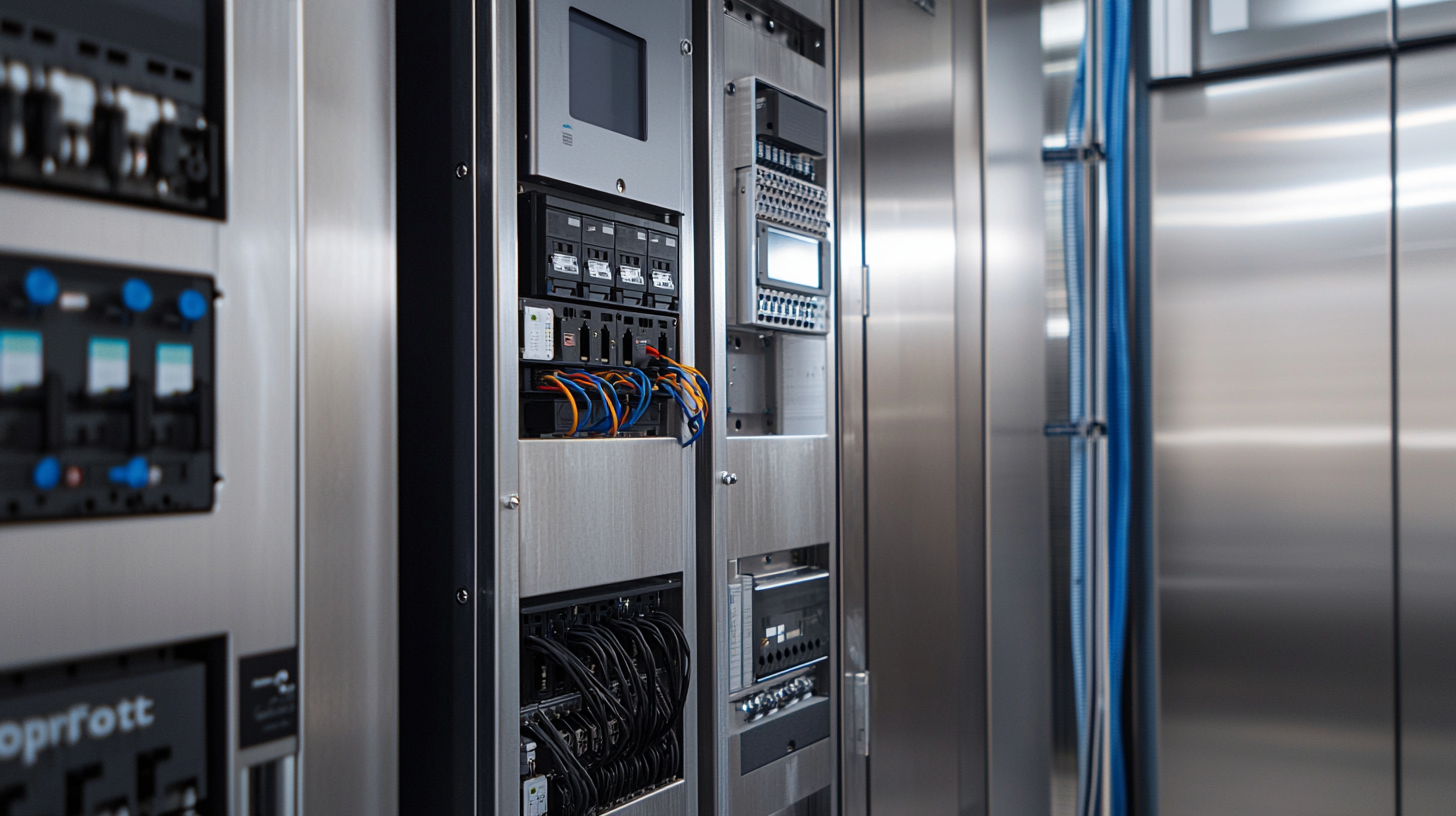

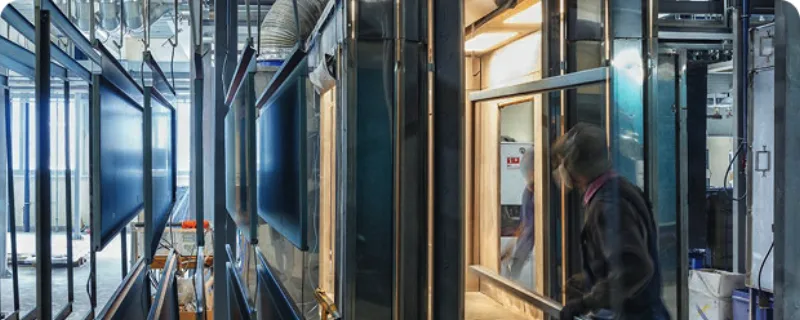
Service maintenance from the manufacturer provides faster access to technical support, preventive inspections and consultations on equipment operation. In addition, the manufacturer understands the specific features of its own technical solutions better, which helps maintain stable and safe lift operation throughout the entire period of use.
Frequently asked questions
Answers about selecting, manufacturing, installing, modernising and servicing lift equipment.
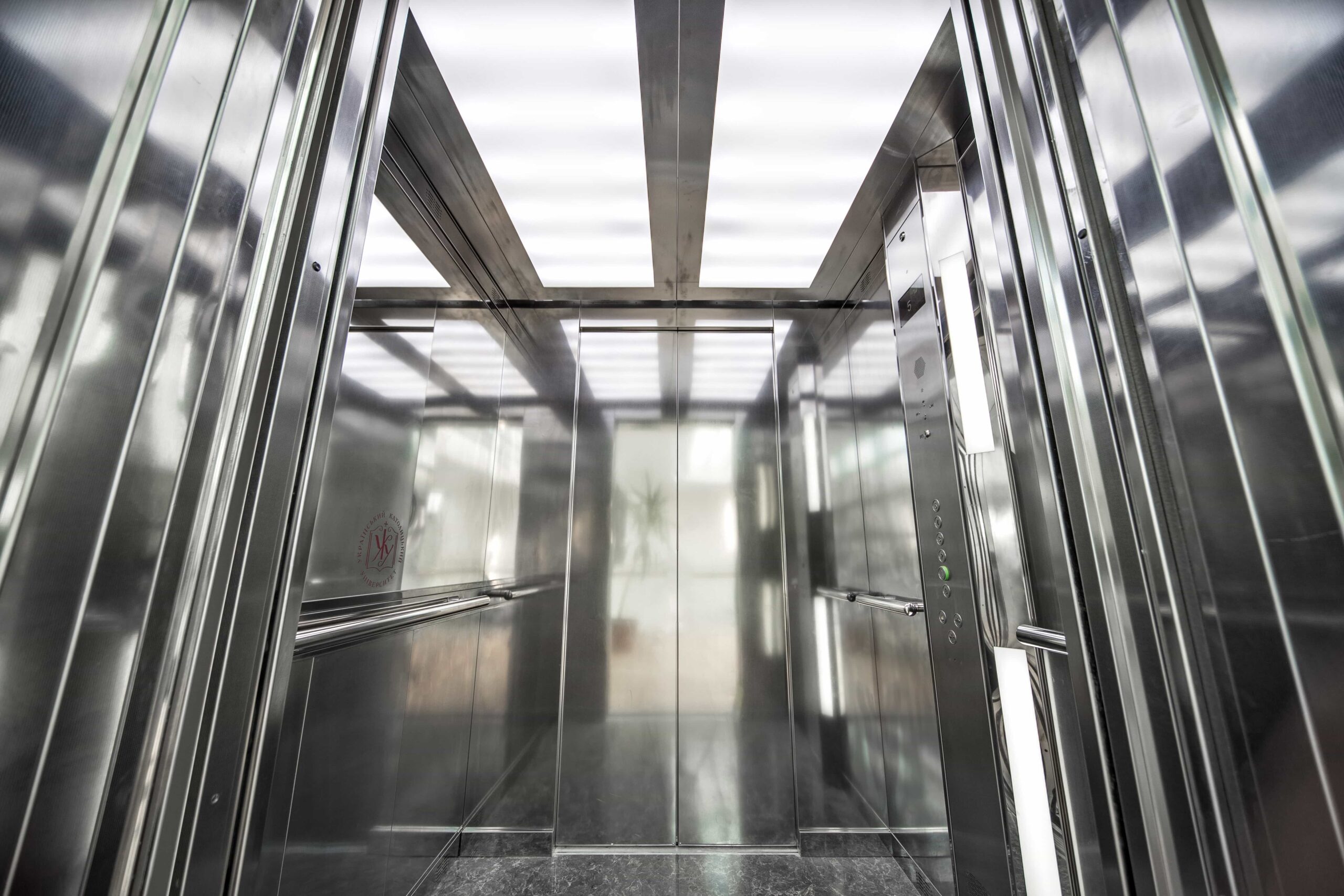
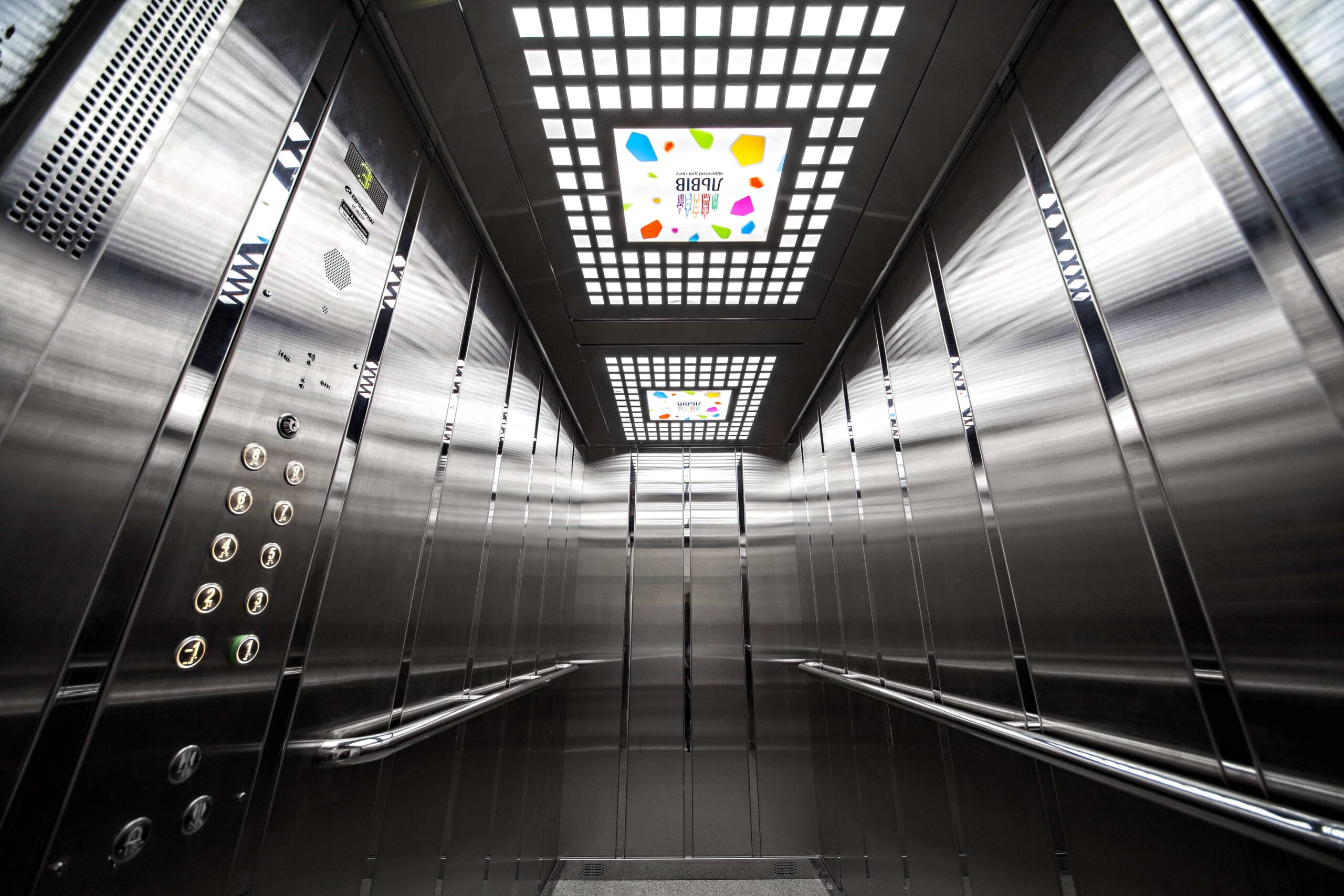
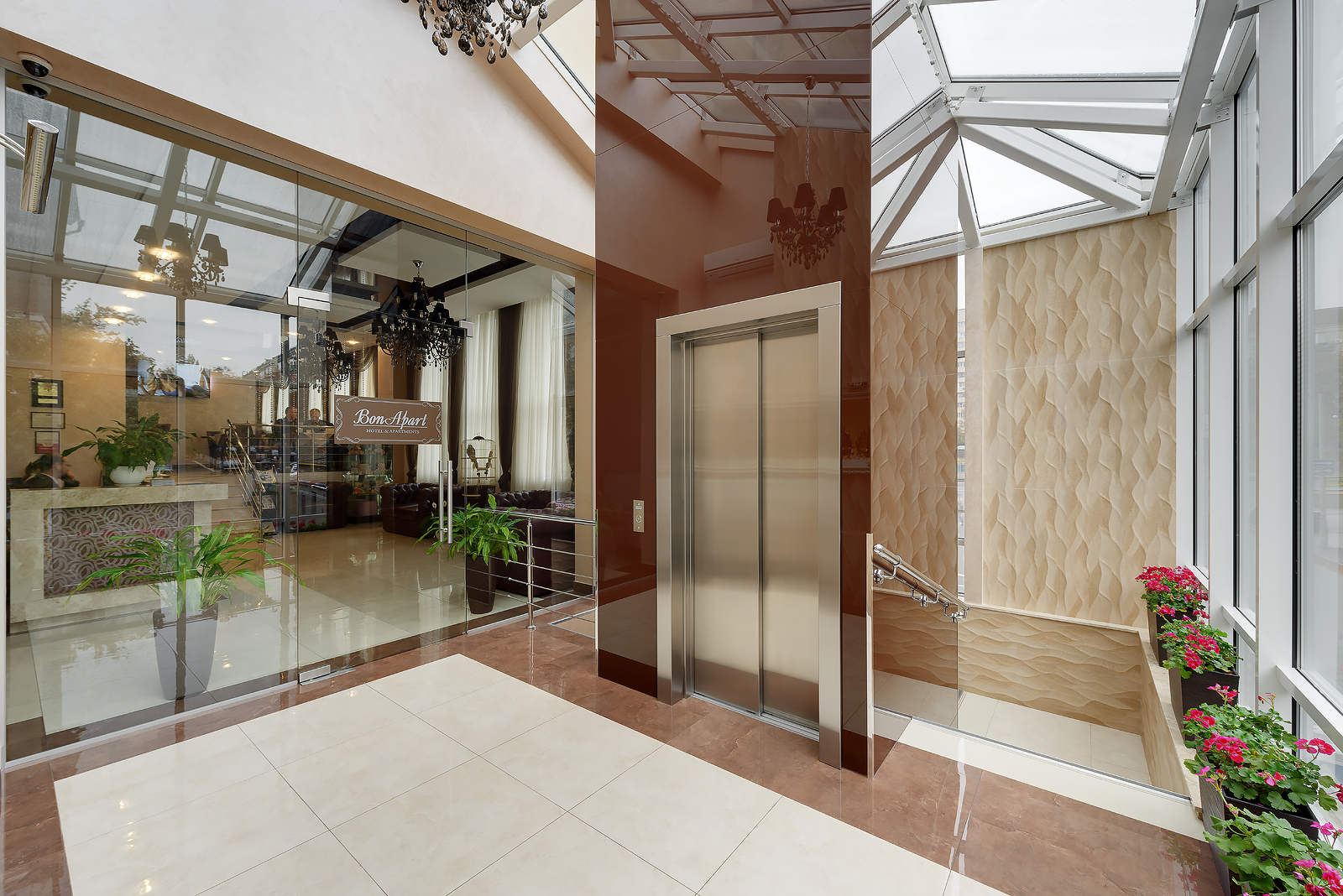
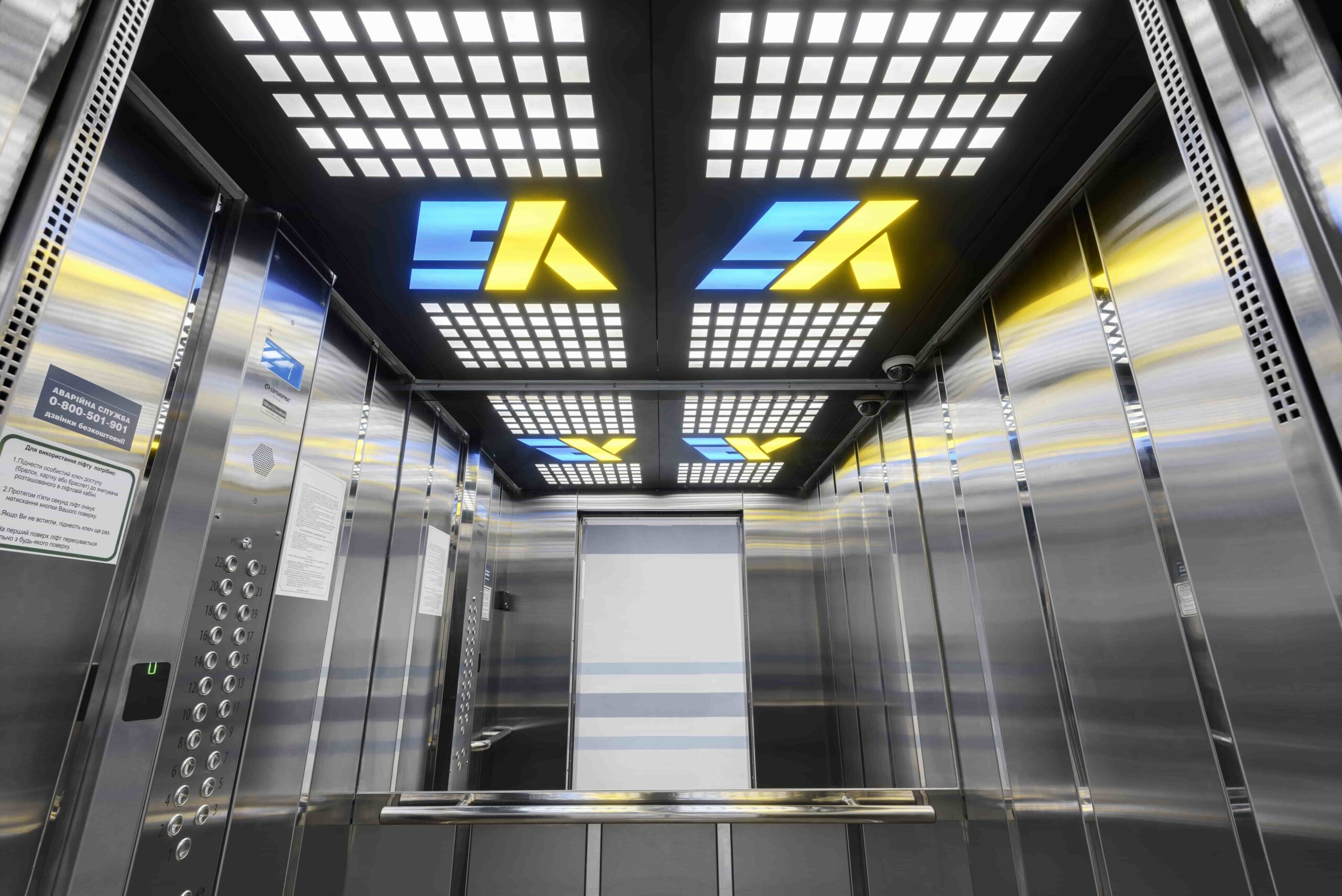
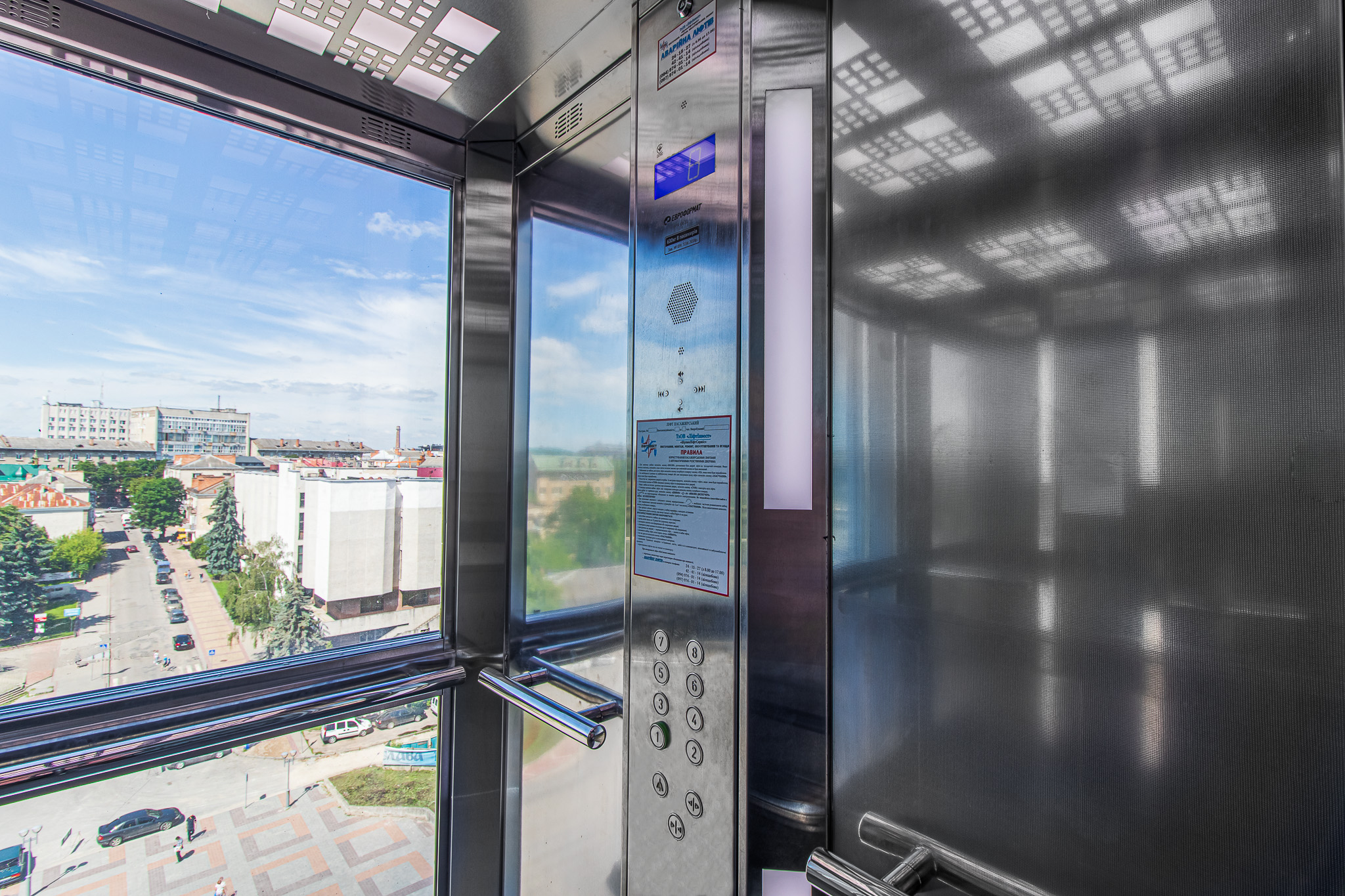
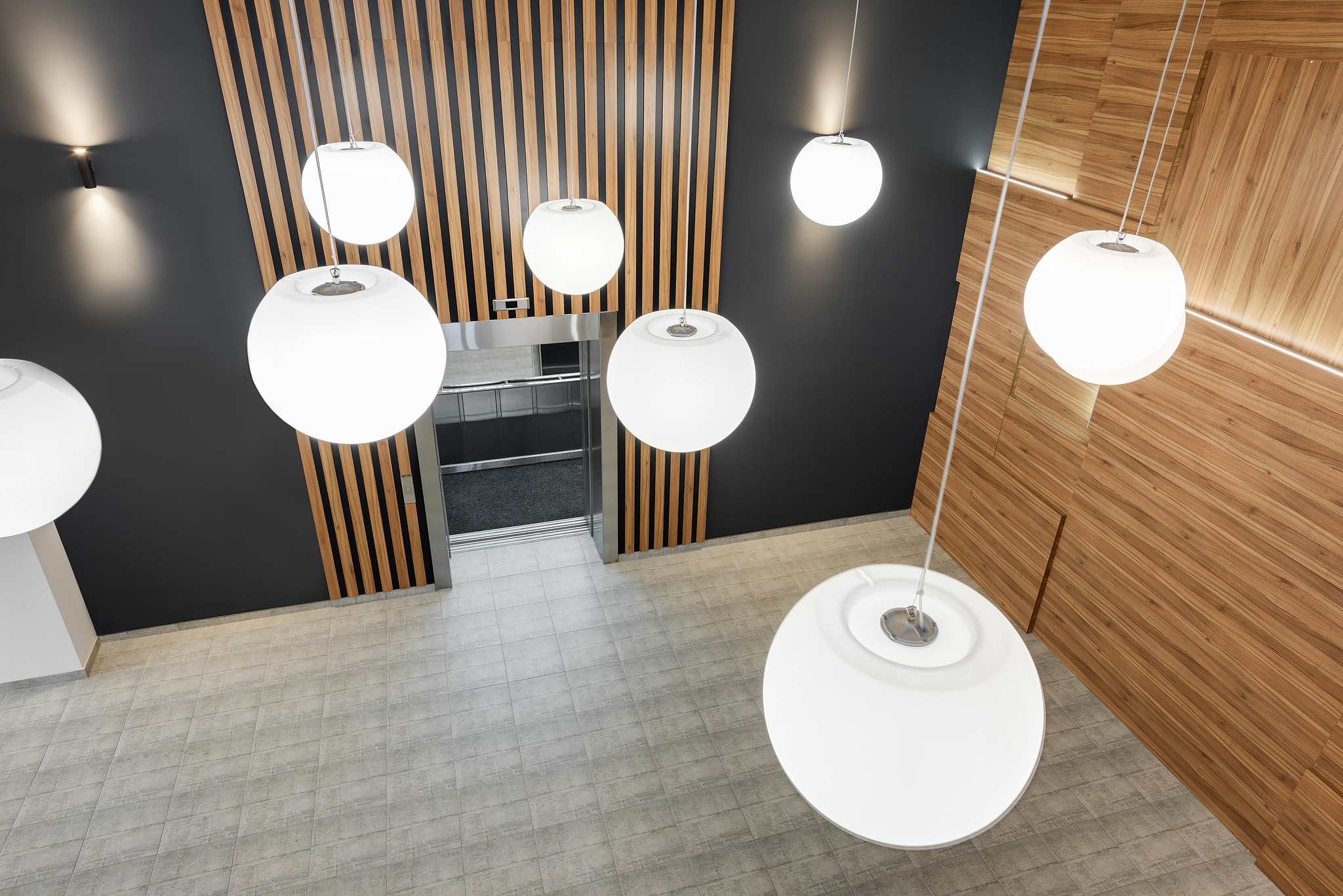
Modern lift solutions make it possible to adapt the cabin appearance to the architectural concept of the building. Customers can choose finishing materials, lighting type, control panels and other design elements. This is especially relevant for business-class residential complexes, hotels, office centres and premium commercial real estate.
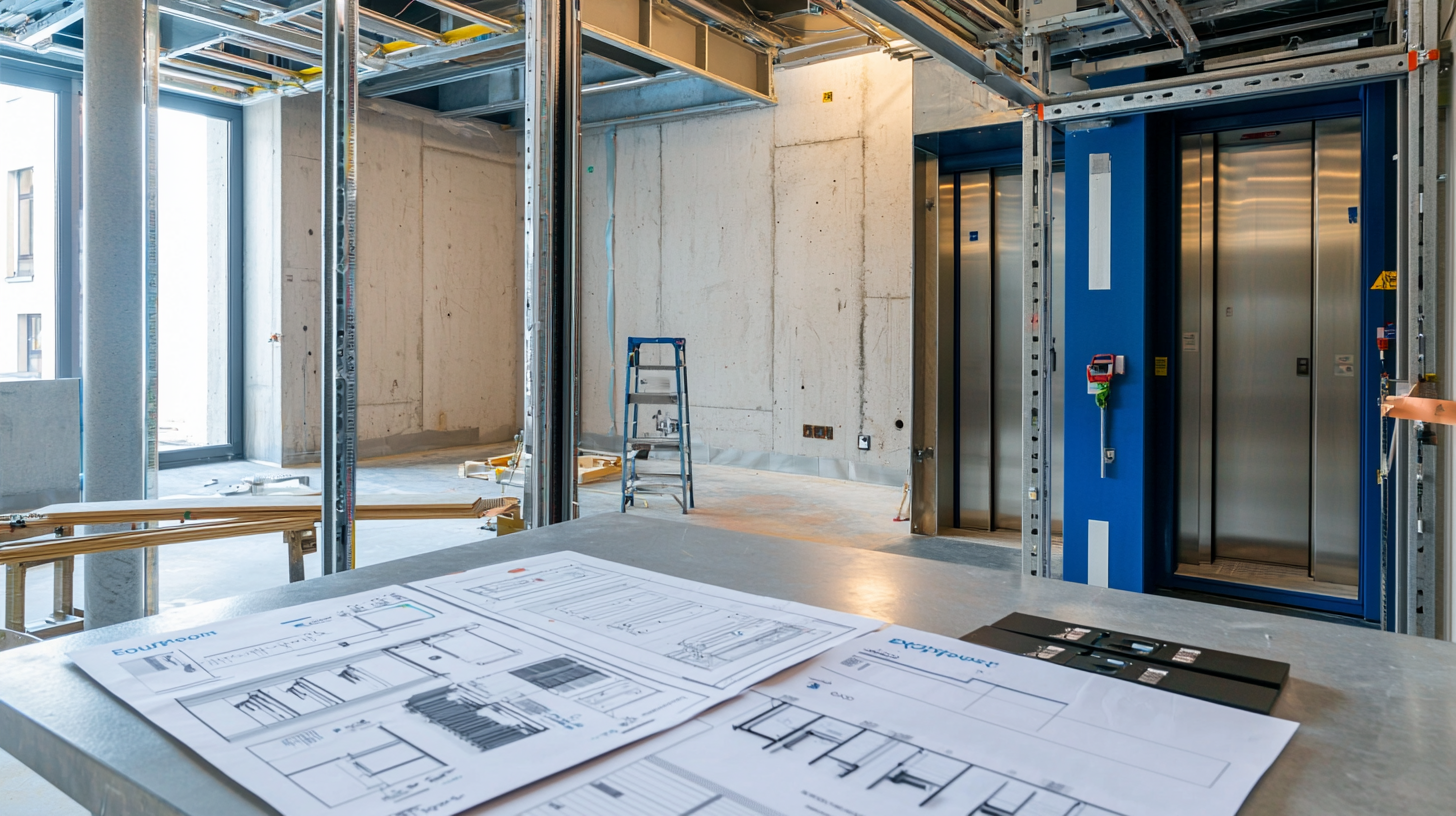
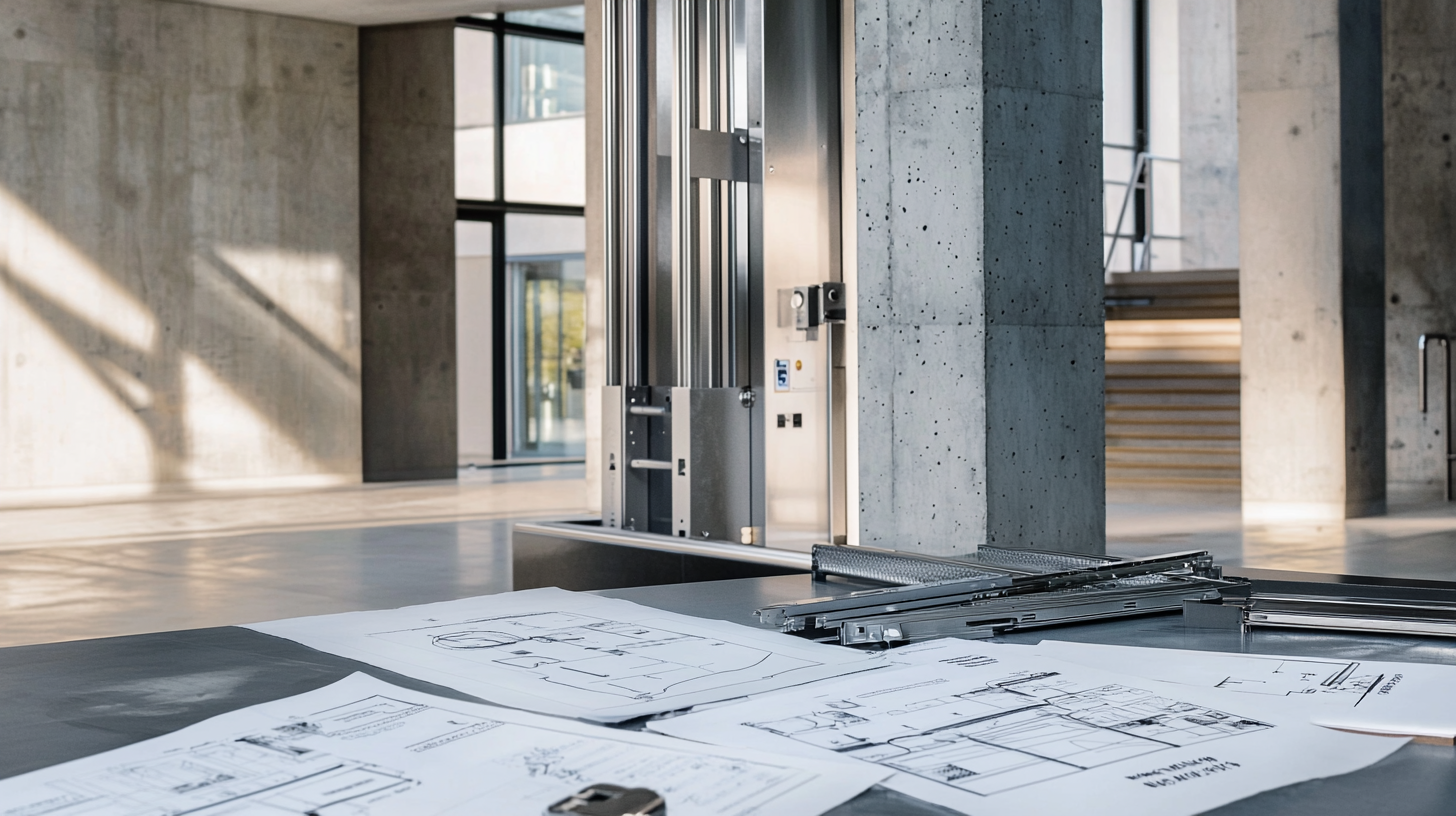
To prepare a commercial offer, architectural drawings, shaft parameters, information on the number of floors and future operating requirements are usually needed. The more detailed the technical specification, the more accurately a solution can be selected and a calculation prepared for a specific project.
Yes, in many cases modernisation can improve lift safety, comfort and reliability without full equipment replacement. The scope of works depends on the technical condition of the system, the age of the equipment and the building requirements. A technical inspection of the property is needed to determine whether modernisation is appropriate.
A well-selected lift helps ensure efficient use of building space, simplify future operation and consider the needs of future users. In addition, the right choice at the design stage reduces the risk of technical revisions and improves overall project manageability.
Consultation with the manufacturer at the design stage allows the requirements for the shaft, service access and equipment placement to be taken into account in good time. This helps avoid technical conflicts between different engineering systems and reduces the likelihood of changes during construction works.
Even similar buildings can differ significantly in architecture, technical parameters and operating conditions. A solution that works effectively in one property will not always be optimal for another. That is why every lift project requires separate technical analysis and an individual approach.
Yes, shaft parameters are one of the key factors when choosing a lift solution. Its dimensions, structural features, top floor height and the building’s technical limitations are important. Shaft analysis helps determine which lift type will be most appropriate for a specific project.
Waiting for complete equipment failure is not always reasonable. If the lift starts requiring frequent repairs and individual components become morally or technically outdated, possible upgrade scenarios should be assessed in advance. Early planning provides more options for making a balanced technical and financial decision.
Lift is a long-term engineering system, so decisions should not be based only on current costs. It is important to consider future service costs, availability of components, frequency of downtime and whether the equipment meets the building’s needs. This approach helps avoid unexpected costs in the future.
Regular stoppages, unusual noises, reduced smoothness of movement, an increased number of service calls or recurring faults may indicate the need for diagnostics. Even if the lift continues to operate, a technical inspection helps identify potential risks in time and plan further actions.
Yes, in many cases it is reasonable to combine these approaches. For example, some faulty components can be repaired, while certain outdated systems can be modernised. This approach makes it possible to take the technical condition of the equipment into account, optimise costs and gradually improve lift reliability without full replacement.
Still looking for an answer?
Write to us — an engineer will answer technical questions about your project.